Rhode Island Carnivorous Plants
Co-sponsored by the New England Carnivorous Plant Society
What are carnivorous plants?
The famous historical naturalist, Charles Darwin described carnivorous plants as “The most wonderful plants in the world”. The Swedish botanist Carl Linnaeus is quoted on carnivorous plants, “to think that plants ate insects would go against the order of nature as willed by God”. Against God’s will or not, we now know that Carnivorous plants are plants that eat small insects and animals. They thrive in wet, humid and nutrient poor environments. They trap and digest small invertebrates as a source of nitrogen to compensate the lack of nutrients in their habitat. Scientists believe that the carnivory gave them the evolutionary advantage to grow in such nutrient poor environments where most other plants cannot survive. Most of you may naturally think that carnivorous plants are from warm tropical rain forests. However, they grow all over the world except antarctica. In fact, we do have 3 genera and 14 species of carnivorous plants in Rhode Island! They can be found in bogs, ponds and wetlands all around RI.
Sarracenia
The genus Sarracenia is also known as American pitcher plants. As the name suggests, they grow in North America and Canada. They employ pitcher shaped pitfall traps to capture their prey. The underside of the lid as well as the lips of the traps produce nectars that attract many insects such as flies and wasps. The prey falls into the trap because these parts of the plants are slippery. The prey won’t be able to get out of the trap easily, because the hairs inside the trap grow downwards, and they will eventually be digested. Sarracenia are not known for enzymatic digestion, but rather rely on fermentation by bacteria and fungi. There are thought to be 8 distinct species (not including variations) of Sarracenia occurring in eastern coast of the United States. S. purpurea is the only northern species and therefore is the only one you can find in RI.
Drosera
Drosera, aka sundews use glue traps to capture insects. Their leaves have numerous glands that secrete sticky nectar with digestive enzymes. The insects that are attracted to the nectar will be “glued in” on the trap. All the surrounding glands will eventually bend in to cover the entire body of the prey. This process has been extensively described by Charles Darwin in his book “Insectivorous Plants”. Drosera occur in every continent except antarctica. About 250 species have been discovered so far. But the numbers are increasing. We have 3 species of Drosera in RI, D. rotundifolia, D. filliformis (State Historical) and D. intermedia.
Utricularia
Utricularia, aka bladderwort are rootless, semi-aquatic to fully aquatic, and rather inconspicuous plants. However, they use the most complex bladder shaped traps to capture their prey. Like Drosera, there are roughly 250 species of Utricularia found in every continent except antarctica. A bladder trap is like a small bag with a door. The bladder actively transport water out to create a negative pressure inside it. When a prey bends the sensitive hairs on the trap door, the door opens, thereby sucking the prey within. This movement is considered to be the fastest in the entire plant kingdom! We have 10 species of Utricularia in RI, 3 terrestrial species: U. cornuta, U. resupinata, and U. subulata, and 6 aquatic species: U. intermedia, U. minor, U. vulgaris, U. radiata, U. purpurea, U. geminiscapa, and U. gibba.
Emmi Kurosawa, the New England Carnivorous Plant Society
Special Thanks
The New England Carnivorous Plant Society and Emmi Kurosawa
The mission of the New England Carnivorous Plant Society shall be to share, to gain knowledge of, and to achieve expertise in all phases of growing, education, appreciation, and conservation of carnivorous plants in both culture and in native habitats.
The information on Rhode Island Carnivorous Plants comes from several sources. The blooming dates are based on Seymour’s “Flora of New England.” The county and status information is from Rick Enser’s Rare Plants of RI 2007 and RI Wildlife Action Plan 2015, Appendix 1d, and, for plants not on the Rare Plant List, the status is taken from Gil George’s Rhode Island Botanical Survey Check List, published in 1999. Francis Underwood provided habitat information.
For a key to the status codes, click here.
To download a PDF (3.73MB) of RI Carnivorous plants click here.
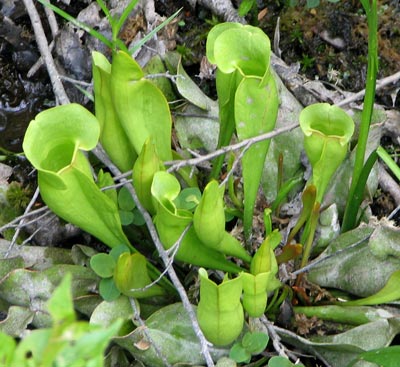
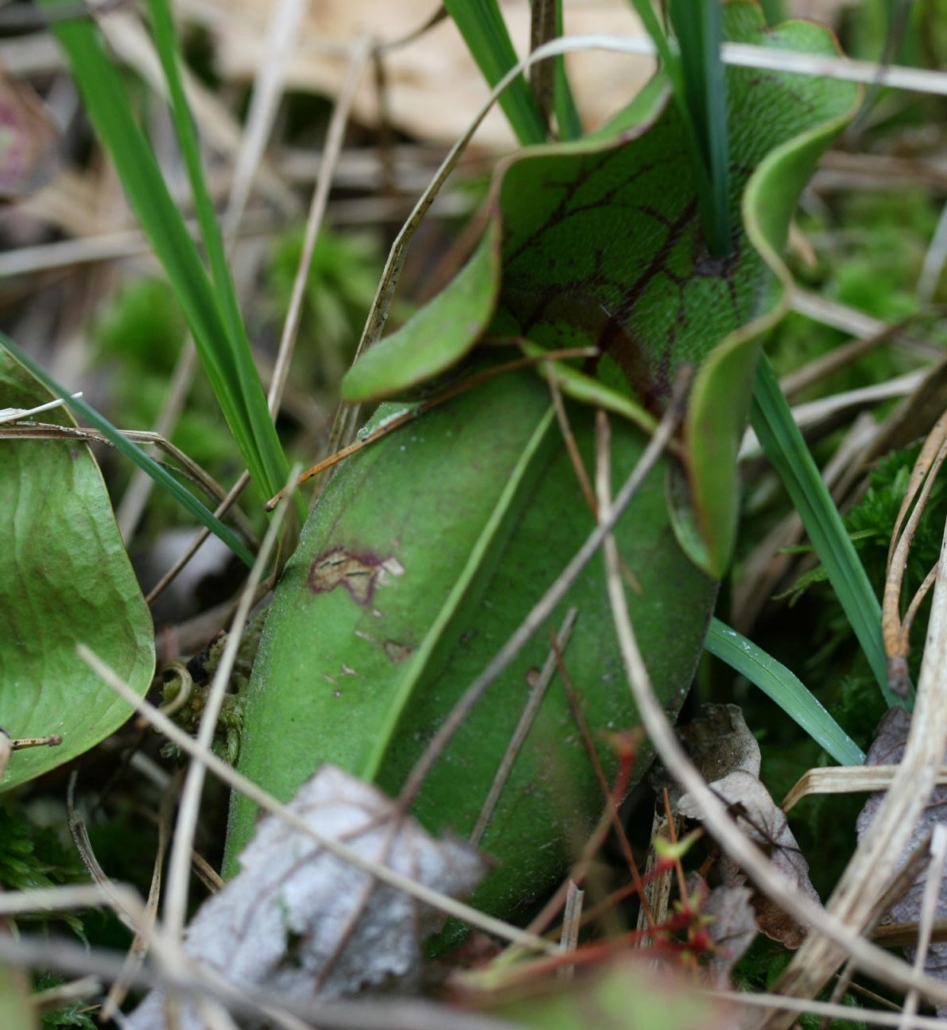
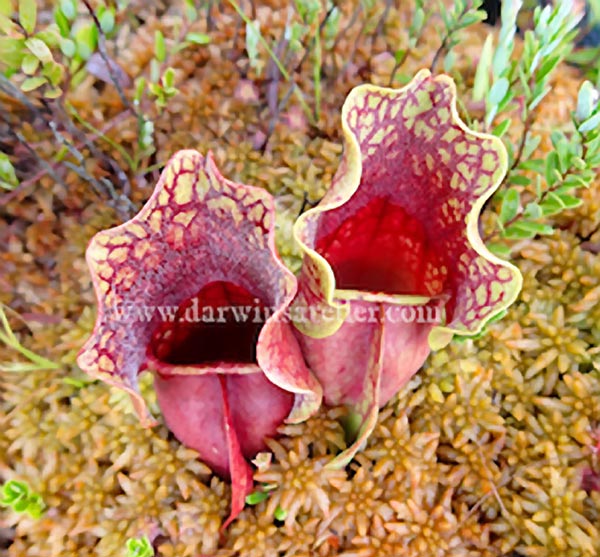
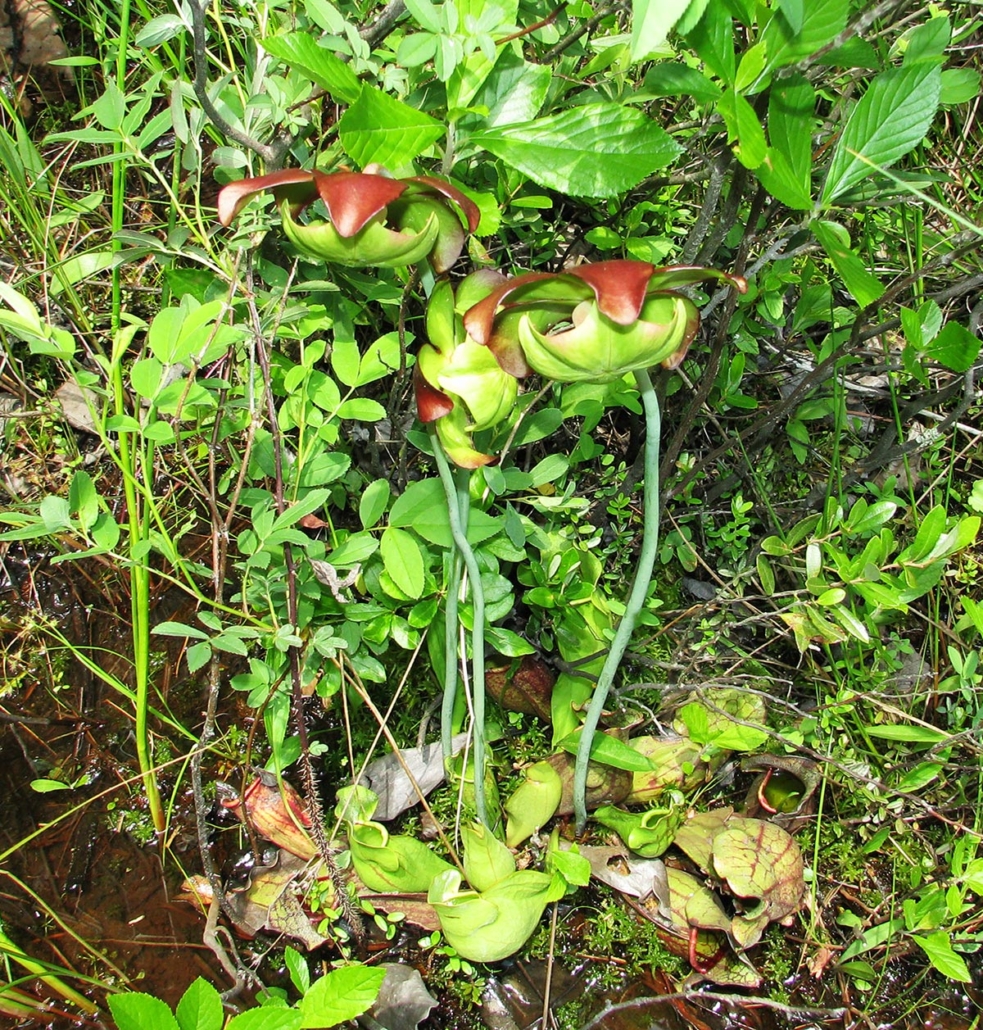
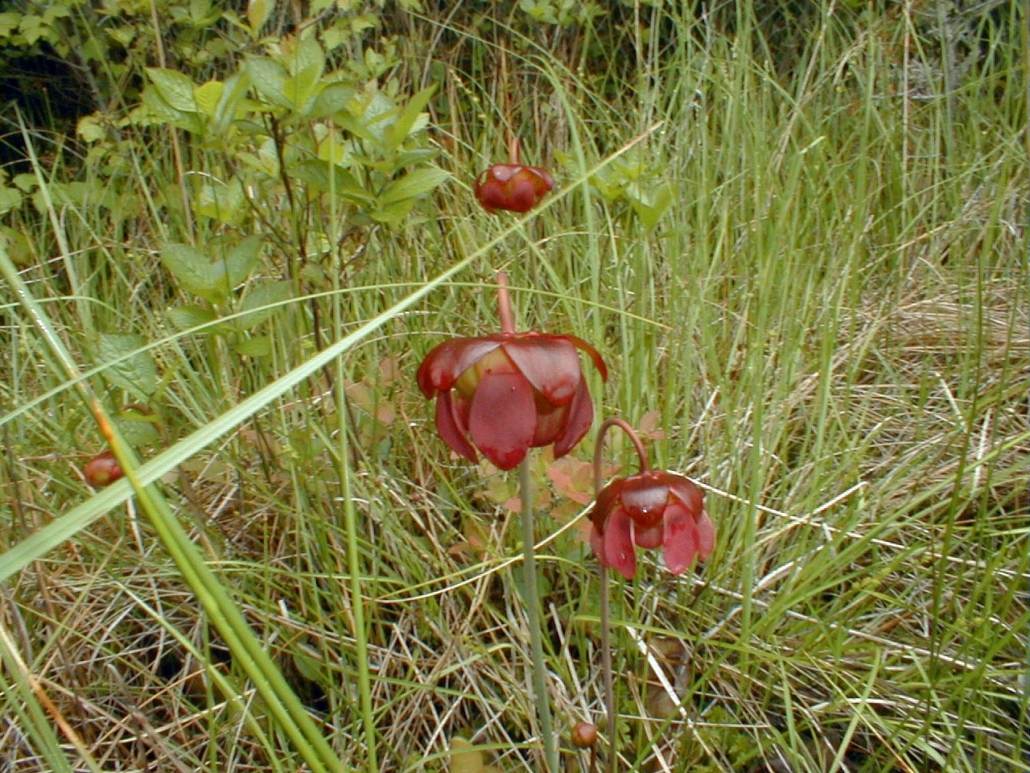
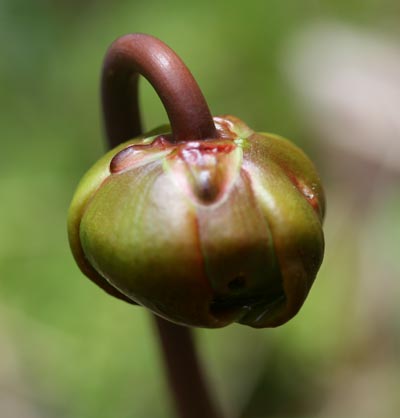
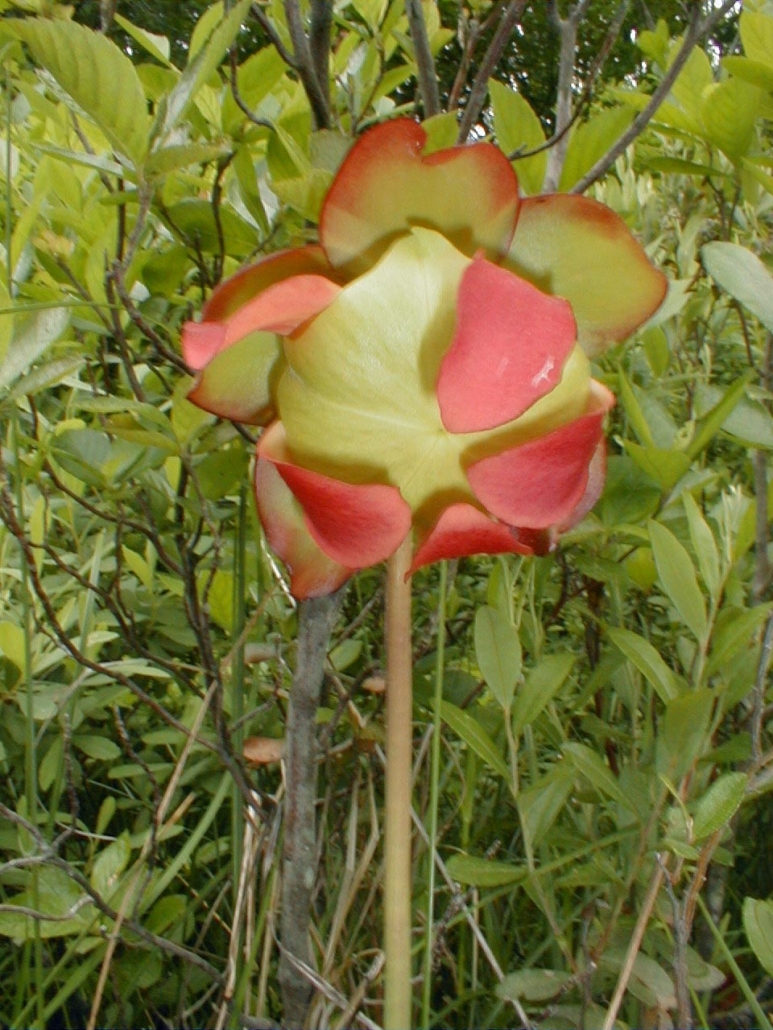
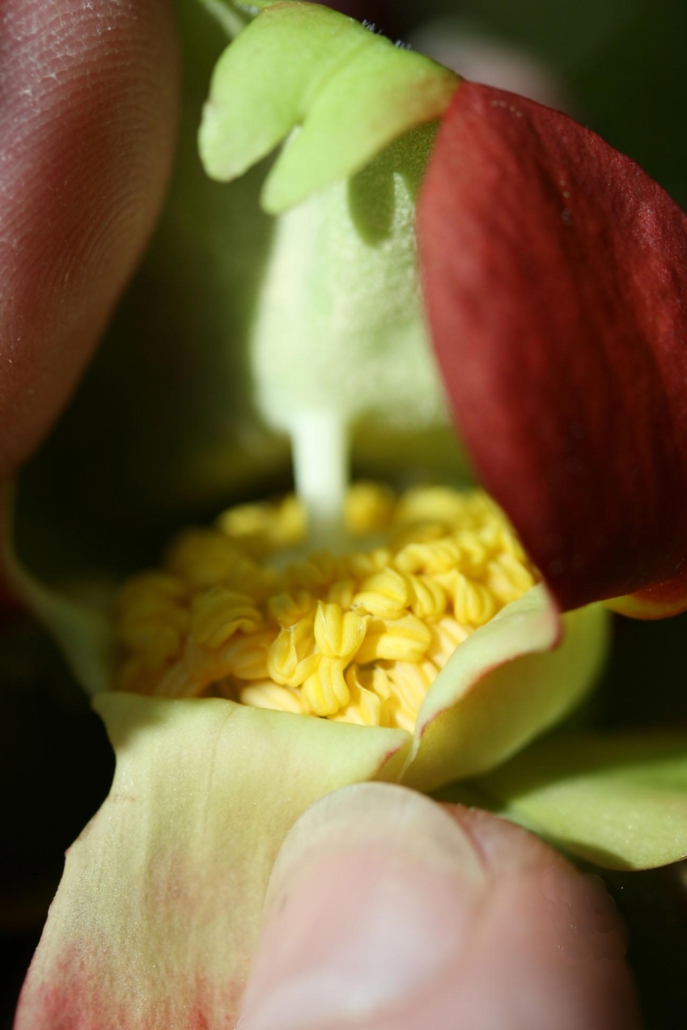
Botanical Name: Sarracenia purpurea
Common Name: Purple Pitcherplant, Indian Dipper, Side-saddle Flower
Habitat: sphagnum bogs, sandy or marly shores
Flowers: (5/30) June 16-July 26
State Status: O
Counties found in: KE, PR, WA
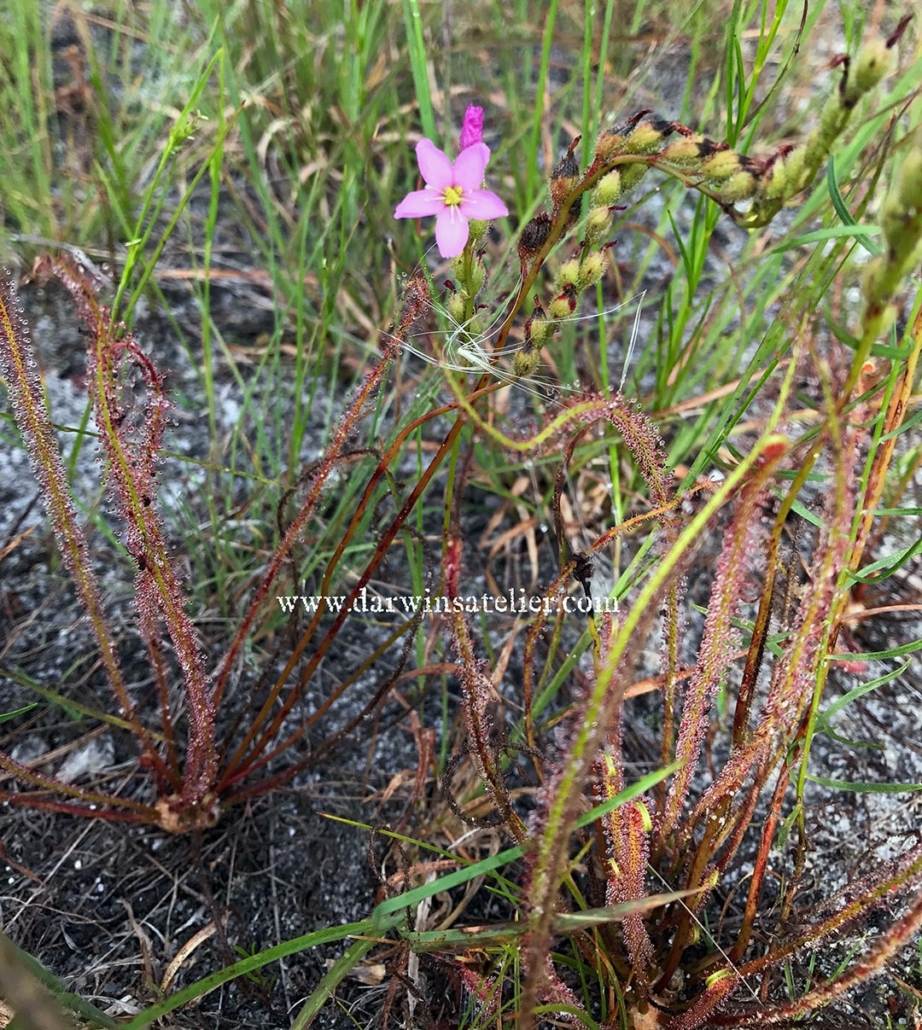
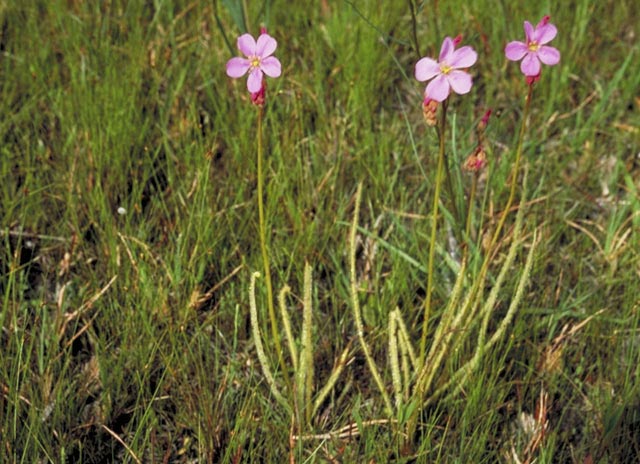
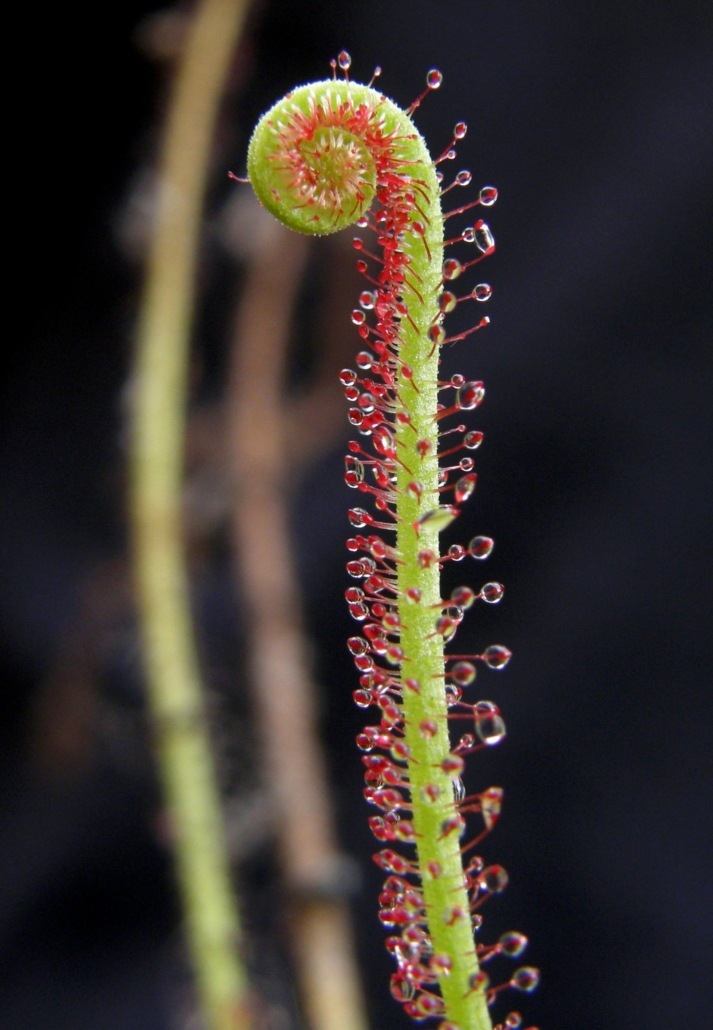
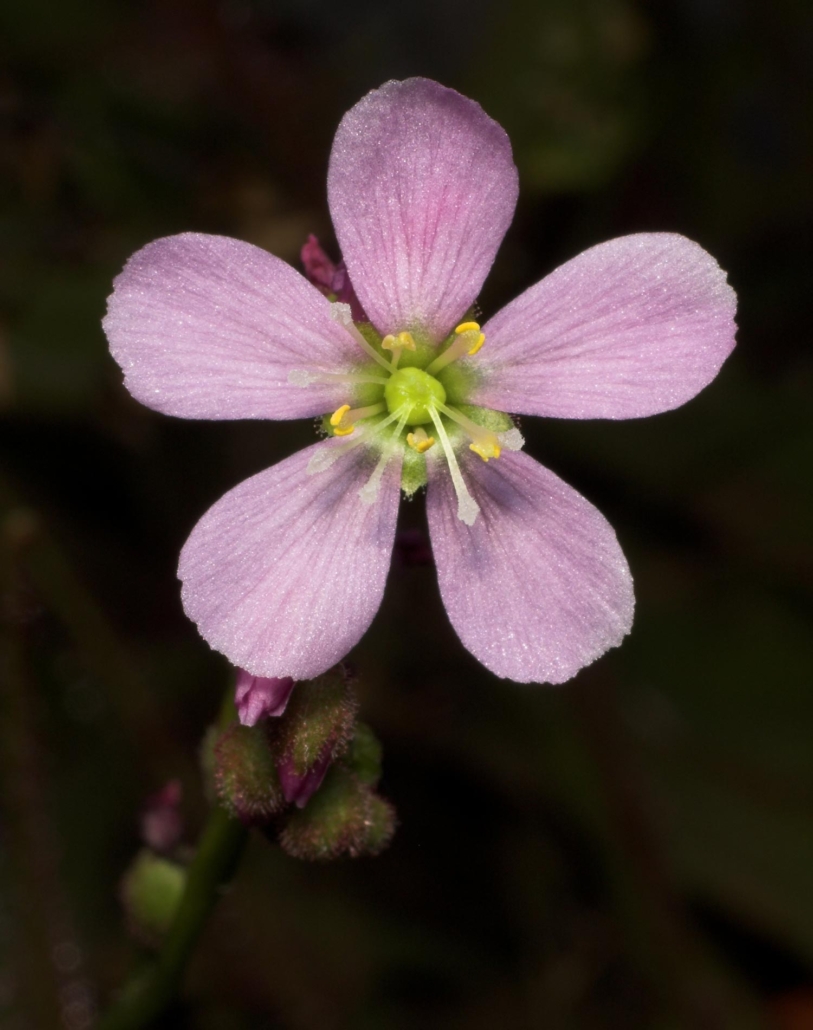
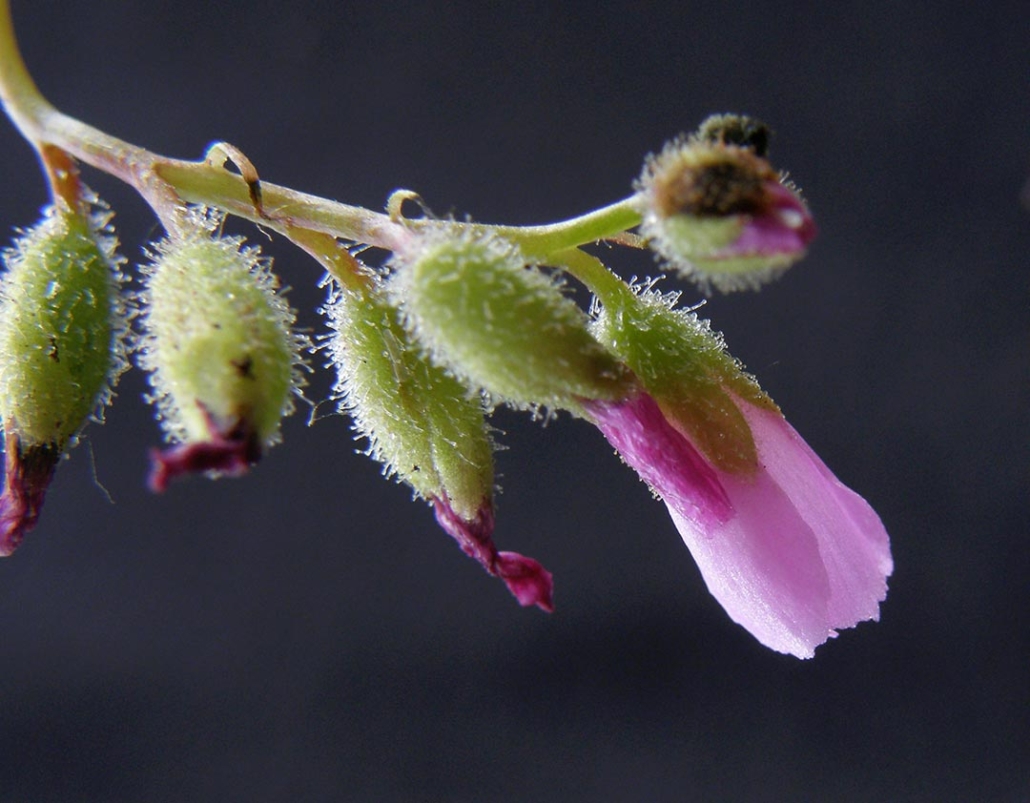
Botanical Name: Drosera filiformis
Common Name: Thread-leaved Sundew, Red-rot
Habitat: Shallow ponds and streams
Flowers: July 4-August 26
State Status: SH
Counties found in: WA

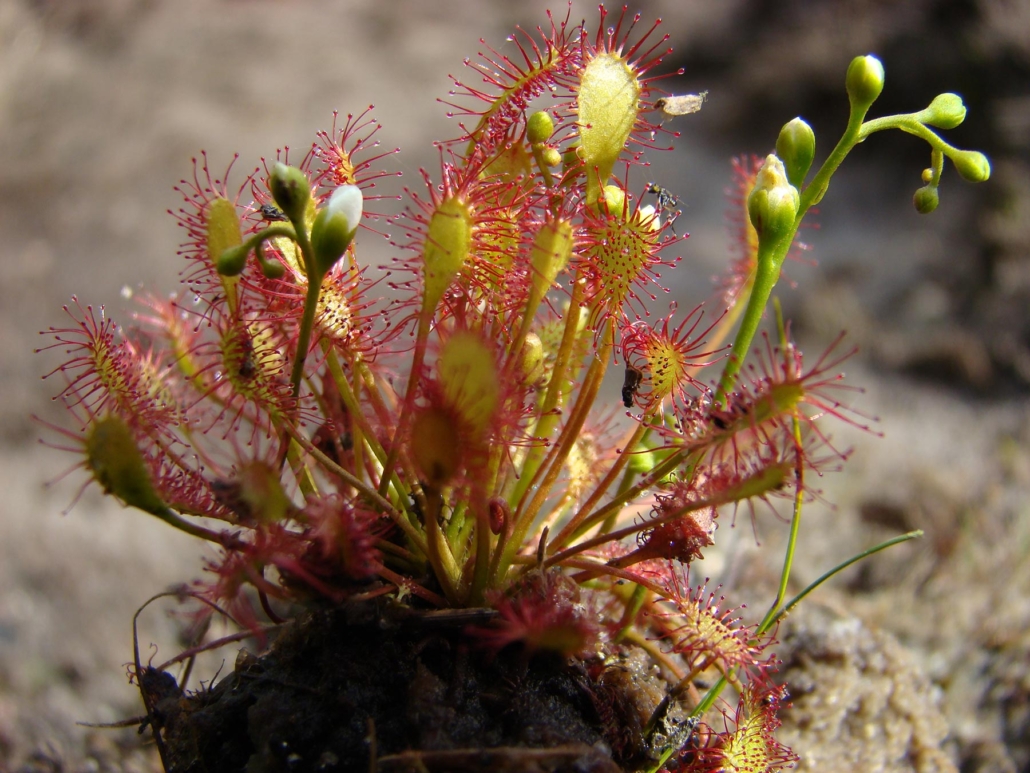
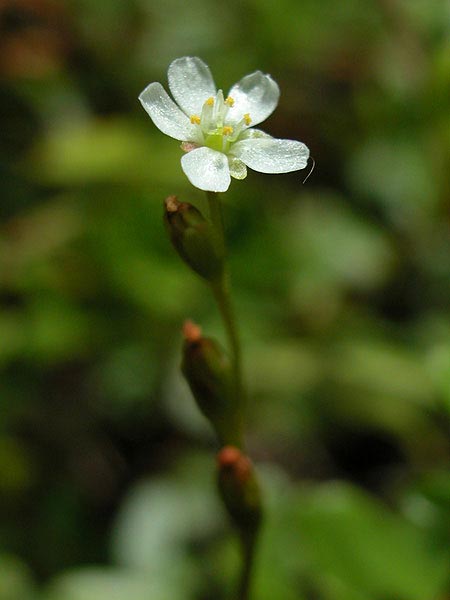
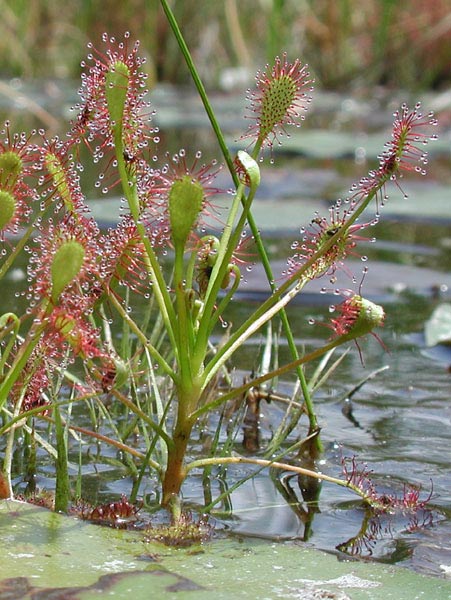
Botanical Name: Drosera intermedia
Common Name: Spatulate-leaved Sundew
Habitat: wet places, shallow water
Flowers: (7/10-8/11)
State Status: C
Counties found in: KE,NE, PR,WA
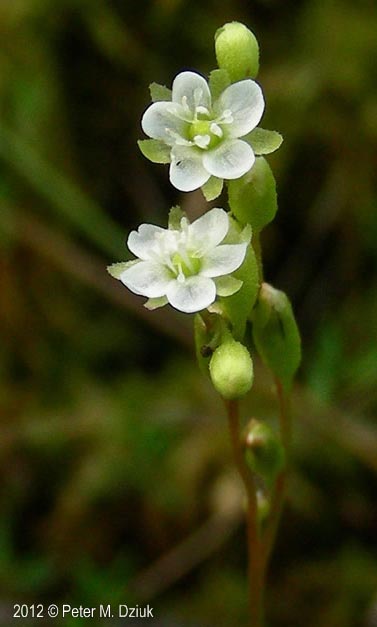
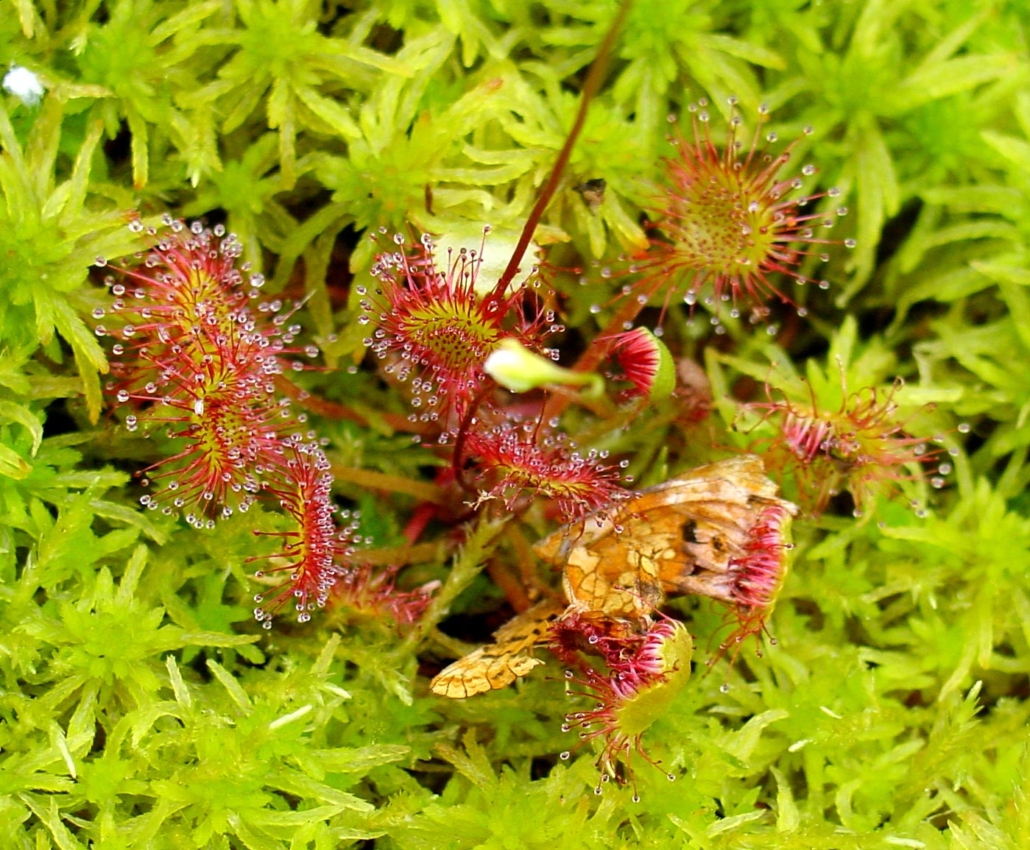
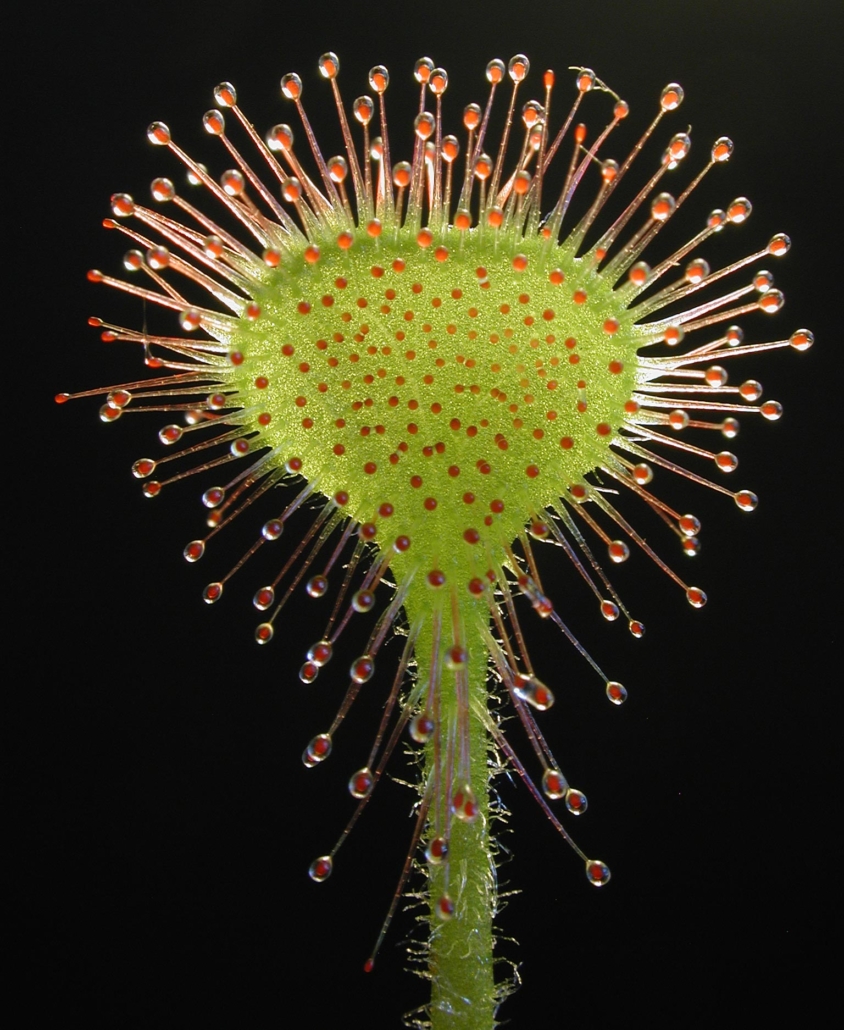
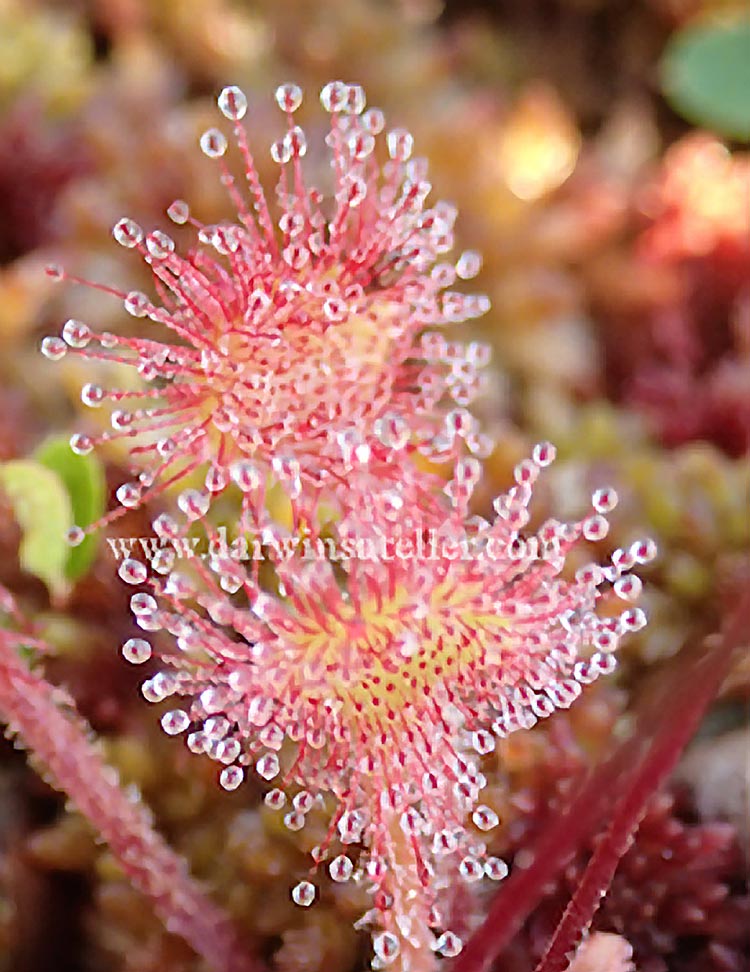
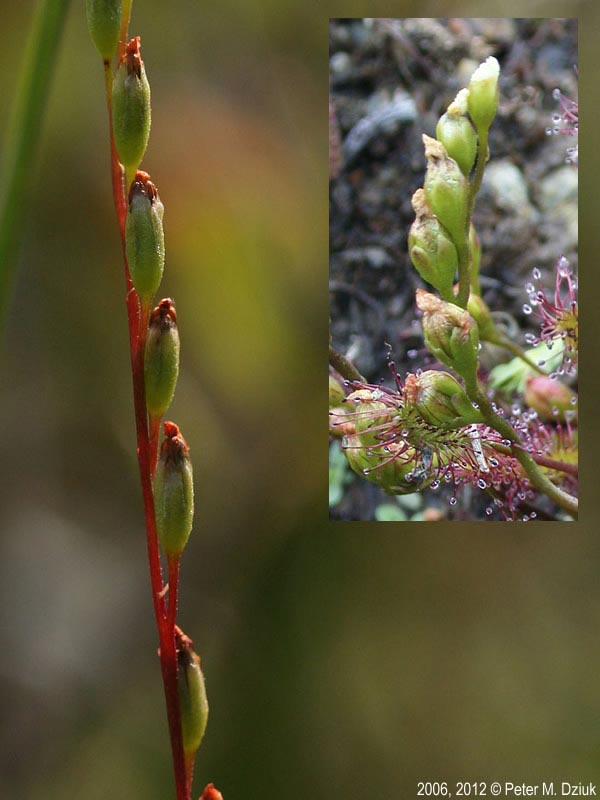
Botanical Name: Drosera rotundifolia
Common Name: Round-leaved Sundew, Dew-plant, Moor-grass
Habitat: Bogs and swamps
Blooming Date: June to August
State Status: C
Counties found in: All

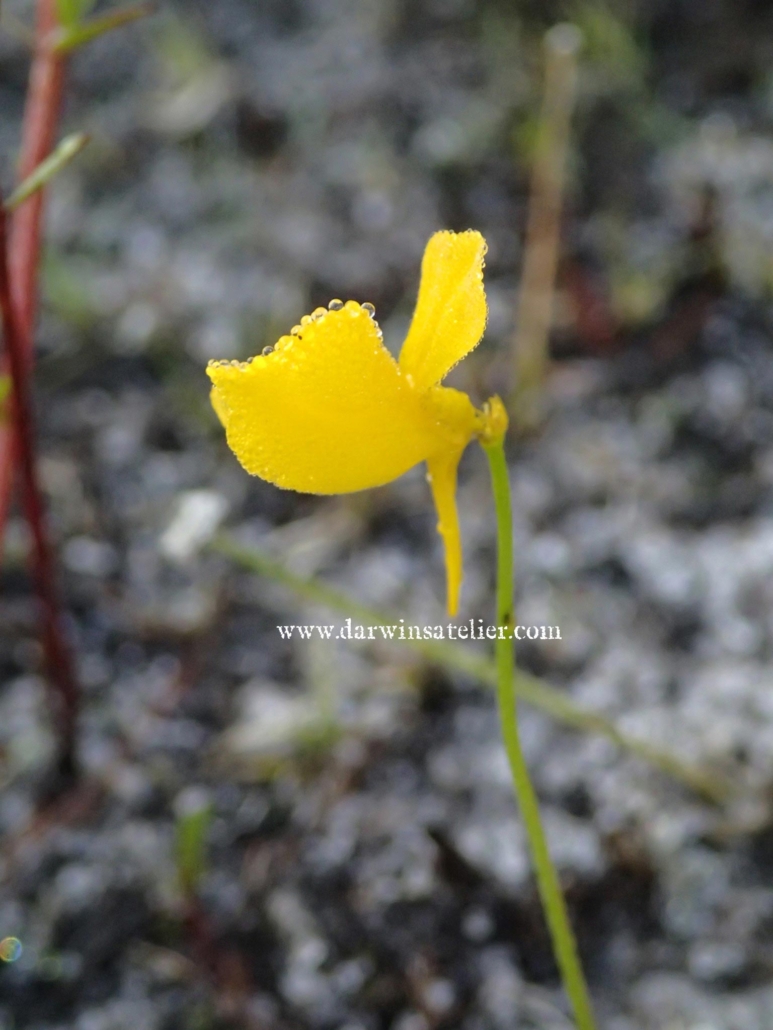
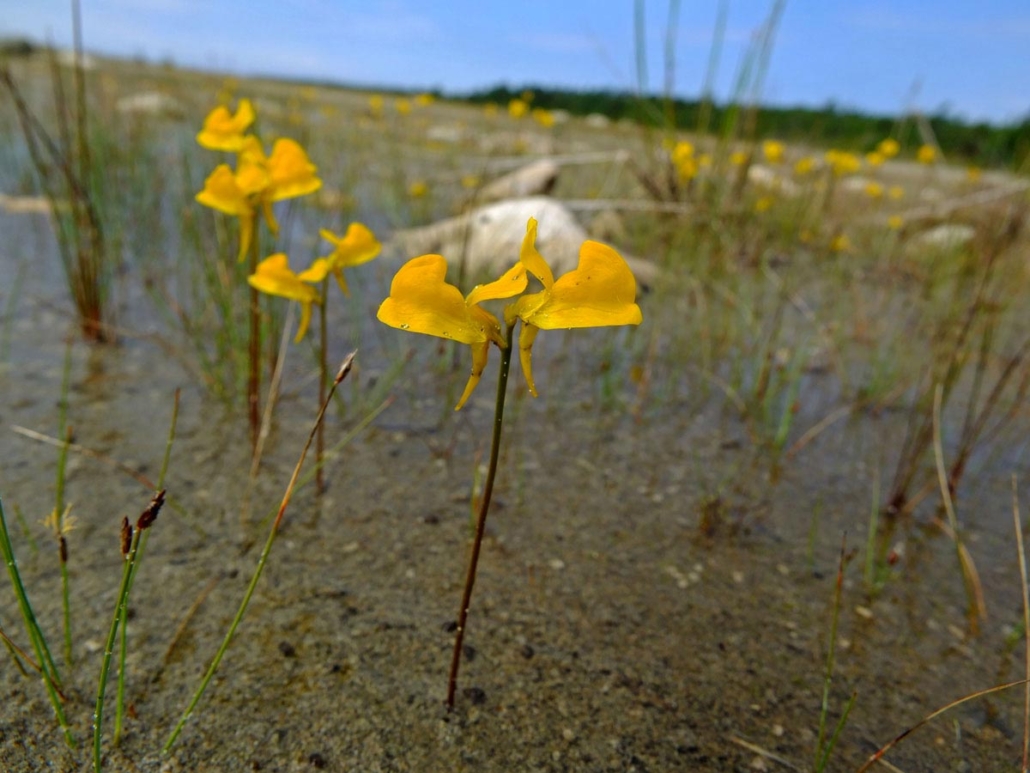
Botanical Name: Utricularia cornuta
Common Name: Horned Bladderwort
Habitat: wet shores, out of water on low grounds
Flowers: 7/2-9/12
State Status: U
Counties found in: PR, WA
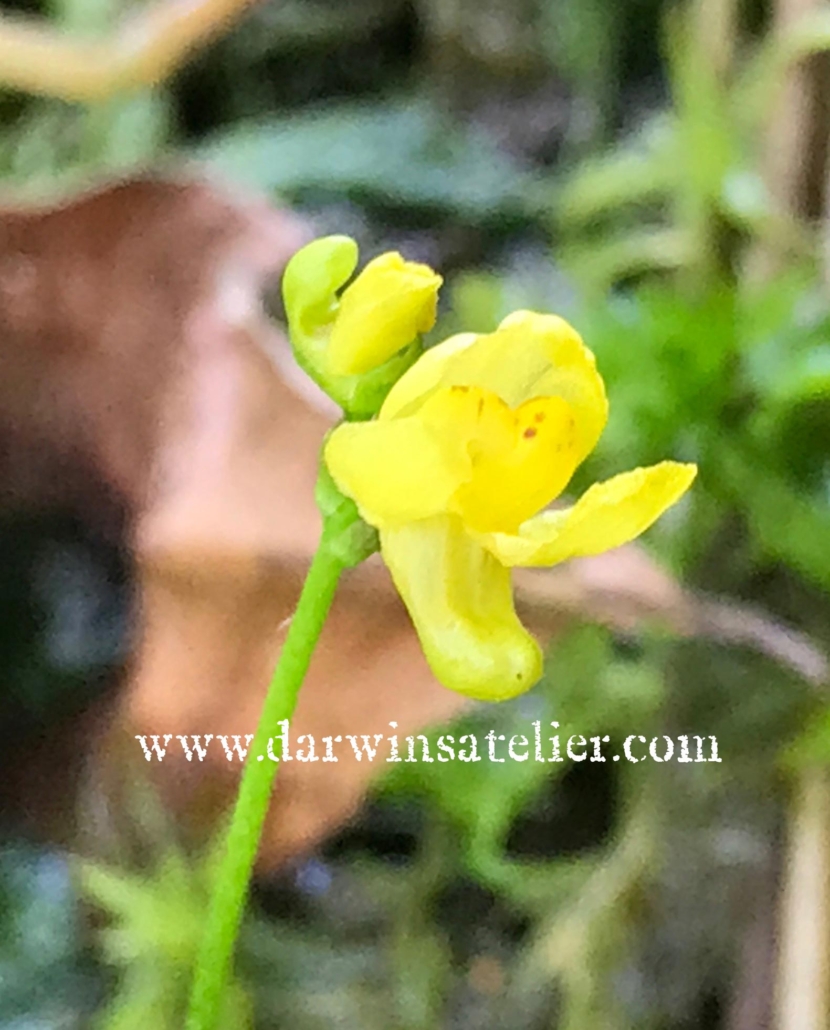
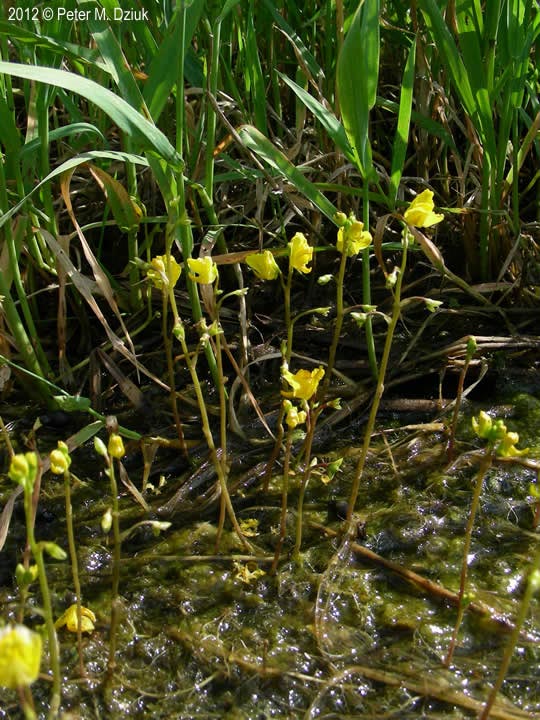
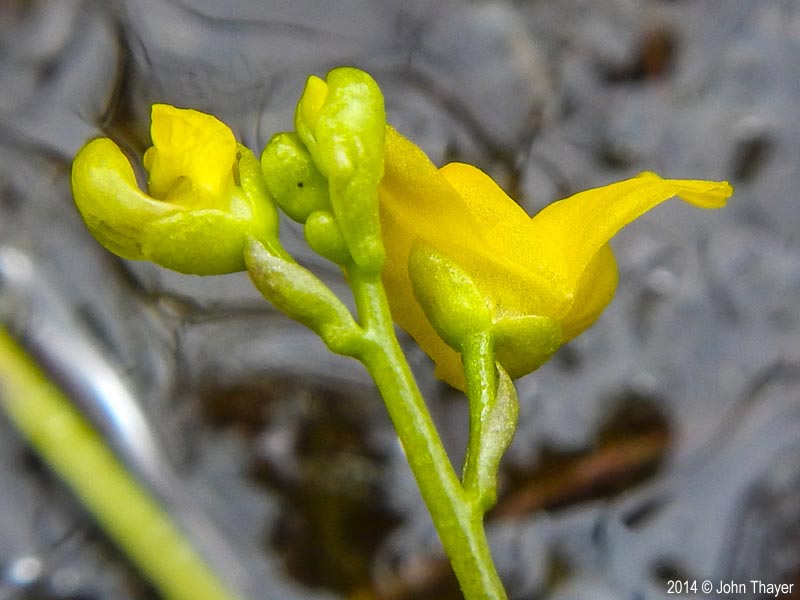
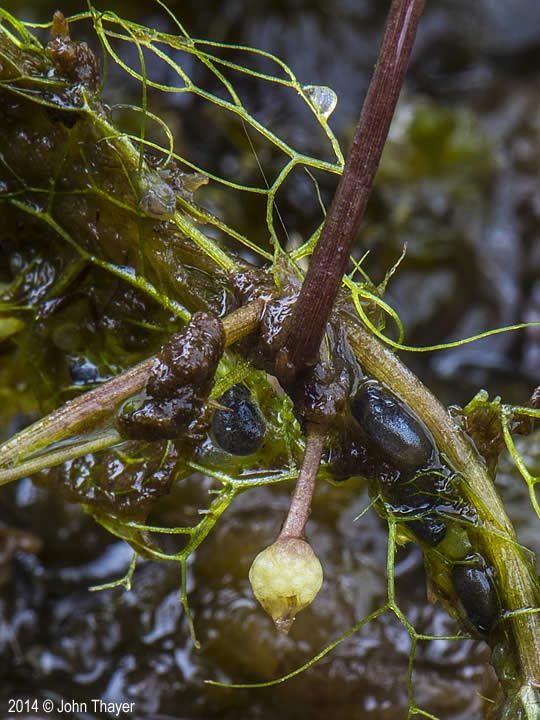
Botanical Name: Utricularia geminiscapa
Common Name: Mixed Bladderwort
Habitat: quiet water, sandy shores
Flowers: 7/15-9/2
State Status: SC
Counties found in: KE, PR, WA
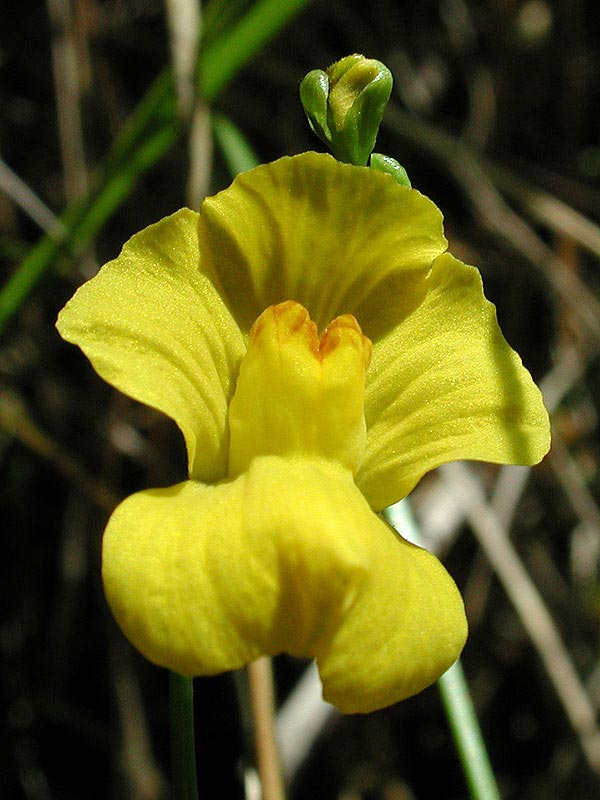


Botanical Name: Utricularia gibba
Common Name: Creeping Bladderwort
Habitat: shallow water
Flowers: 9/1-10/9
State Status: SC
Counties found in: KE, PR, WA
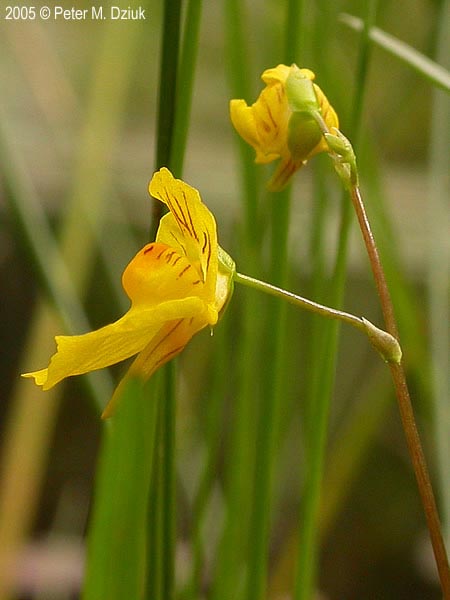
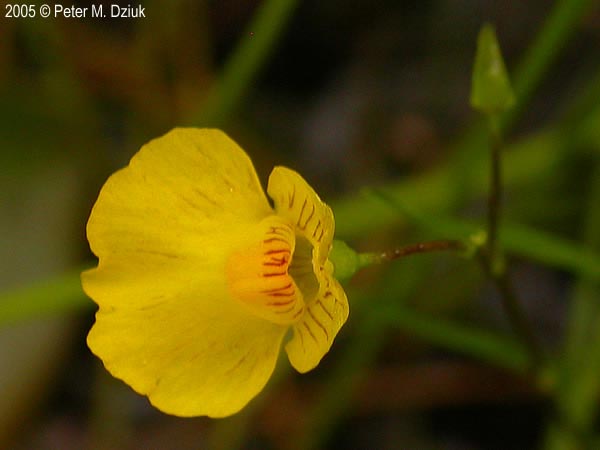
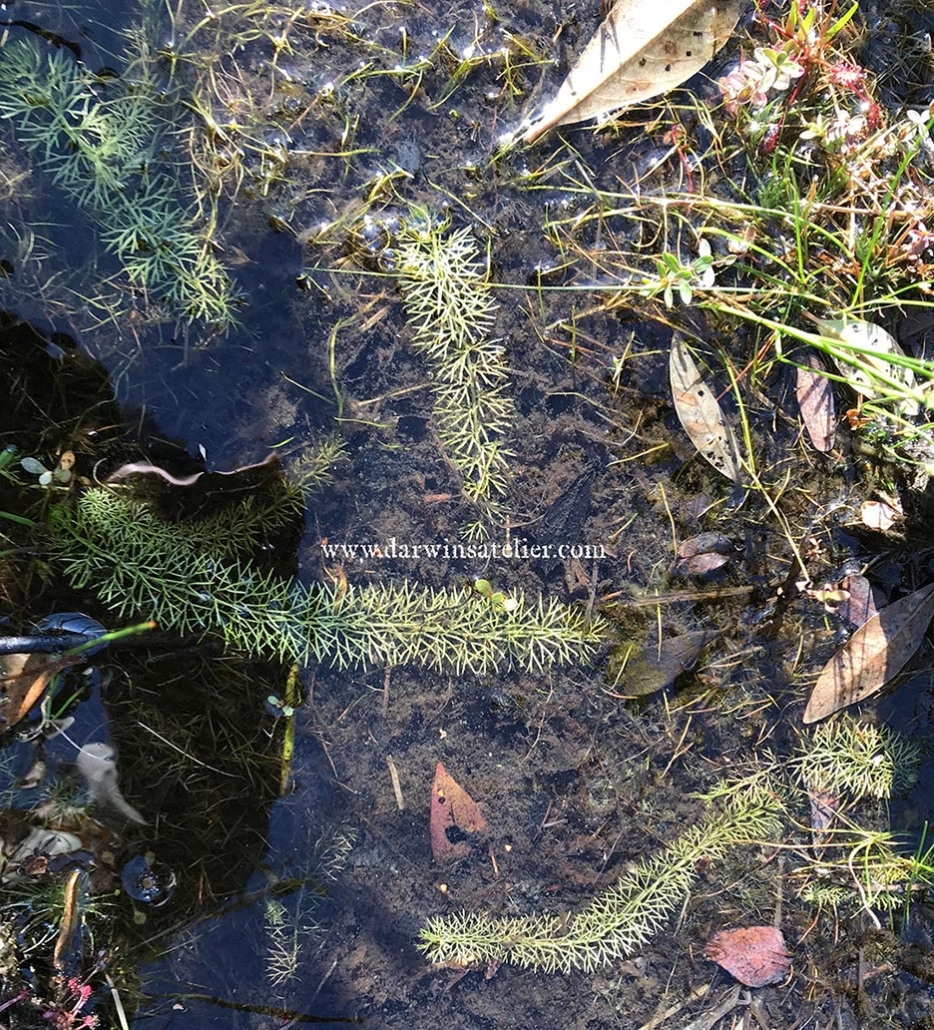

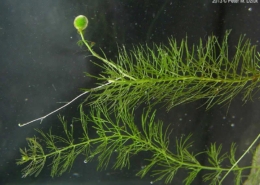
Botanical Name: Utricularia intermedia
Common Name: Flat-leaved Bladderwort
Habitat: shallow waters, muddy soil on drawn down pond shores
Flowers: 6/5-8/4
State Status: SC
Counties found in: WA (reported)
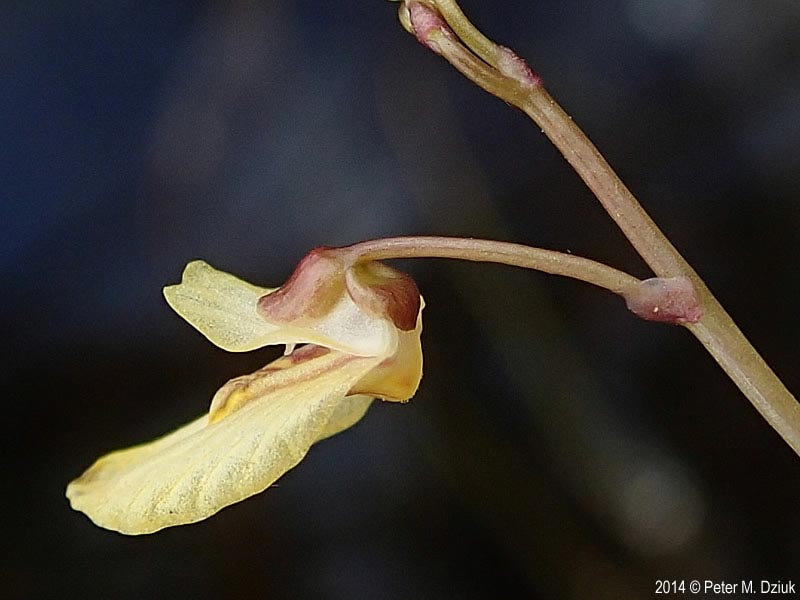
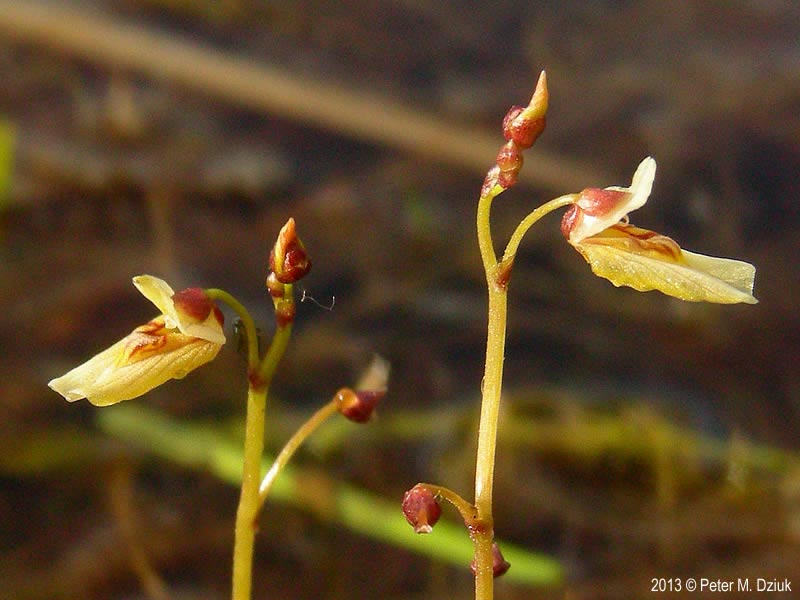
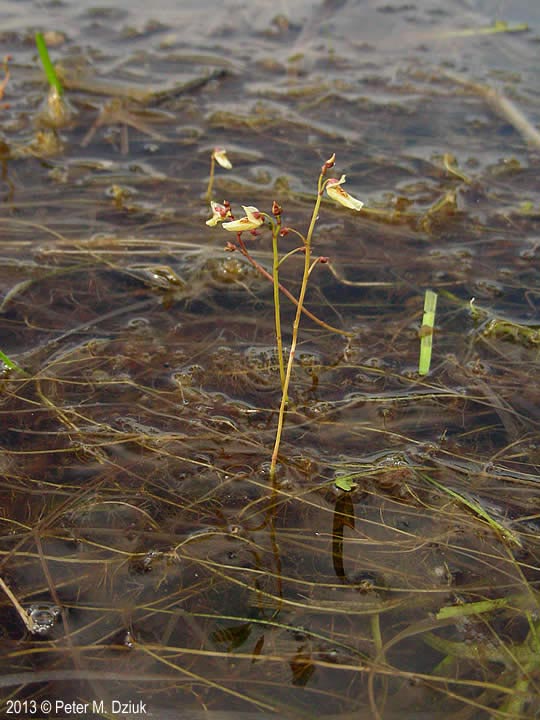
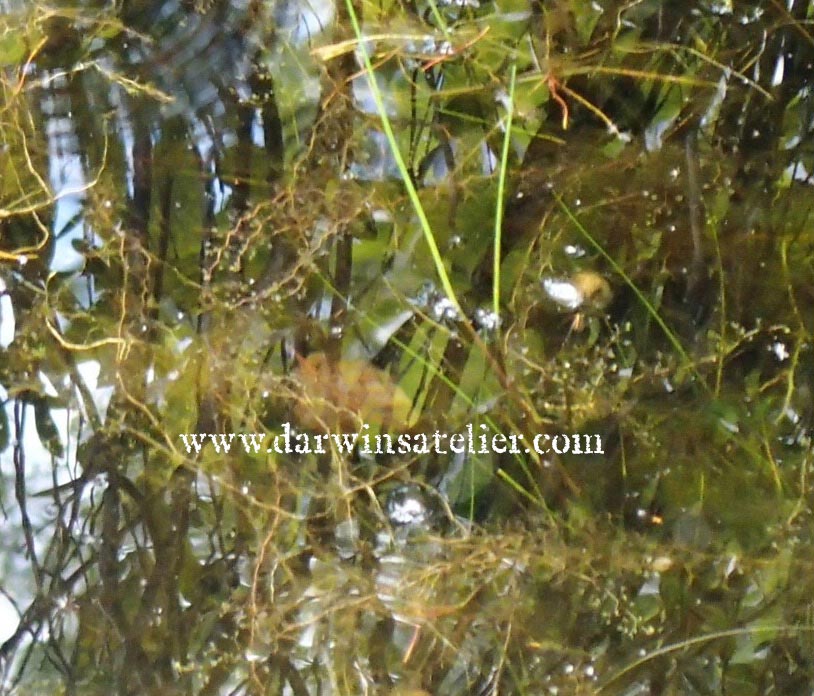
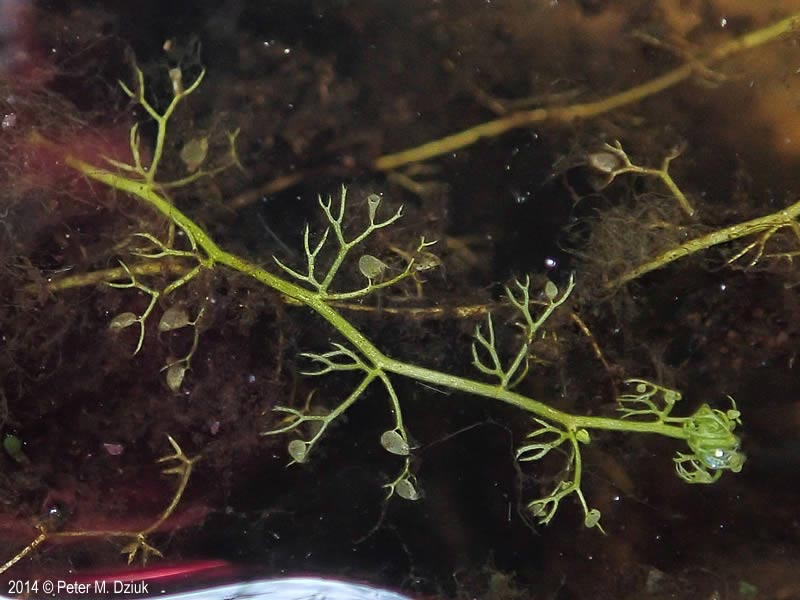
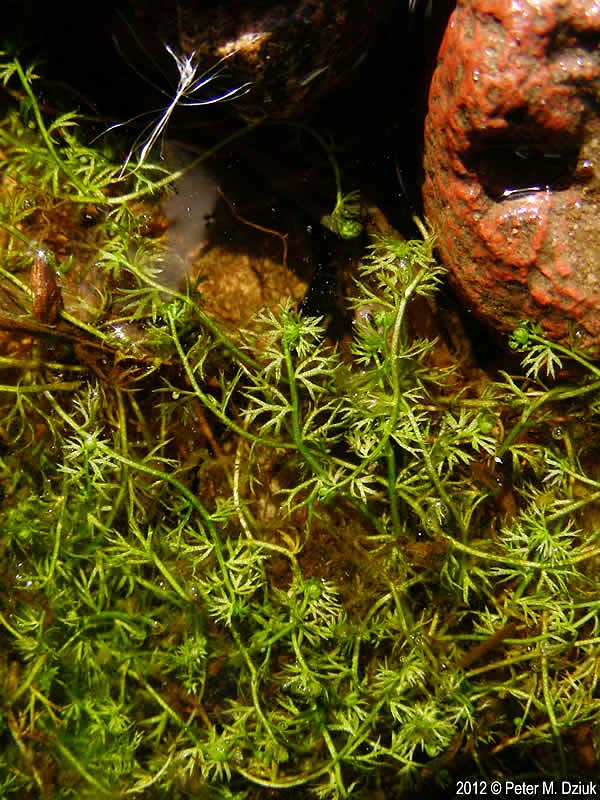
Botanical Name: Utricularia minor
Common Name: Lesser Bladderwort
Habitat: shallow water
Flowers: 5/27-7/18
State Status: SH
Counties found in: –
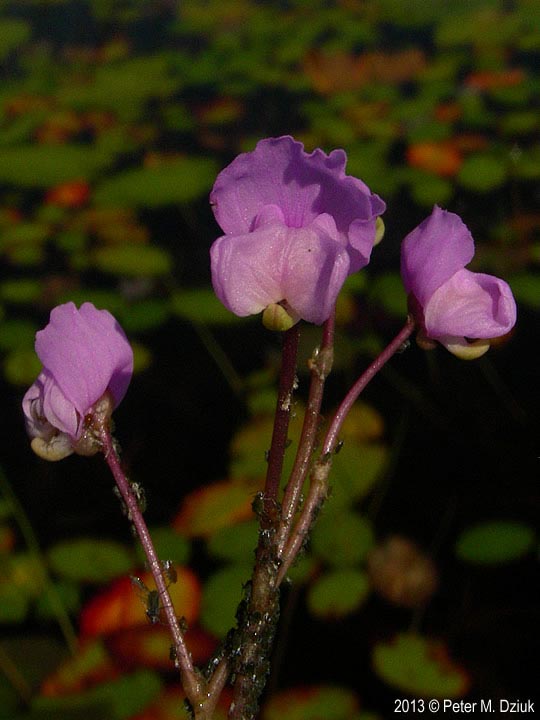
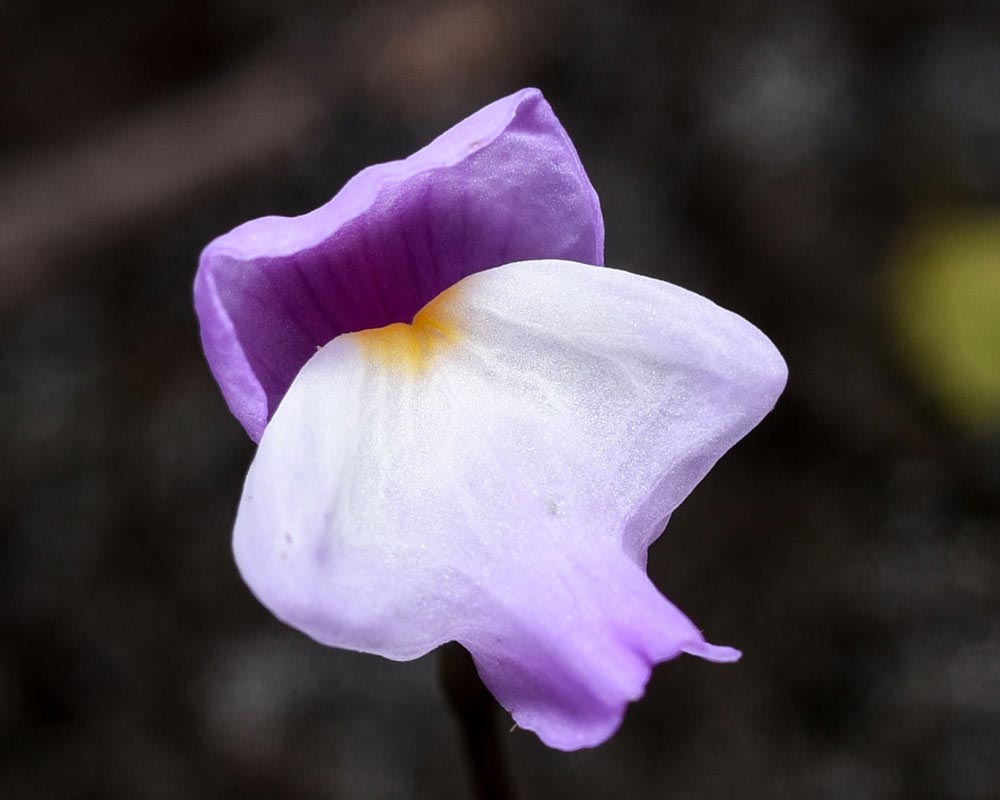
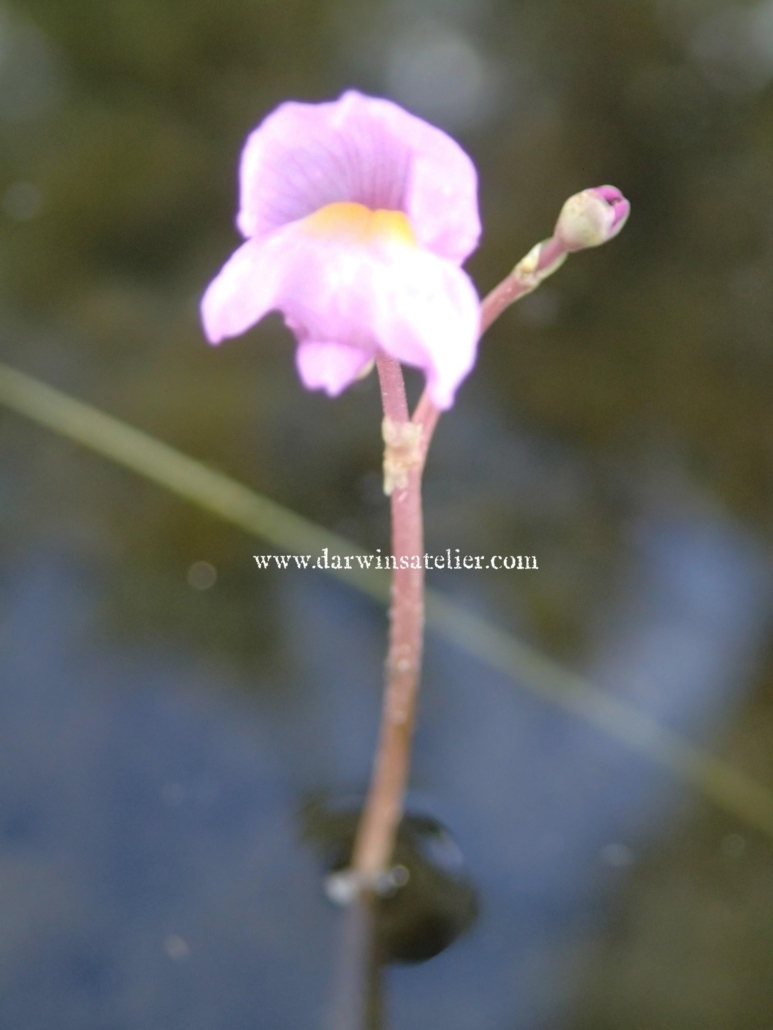
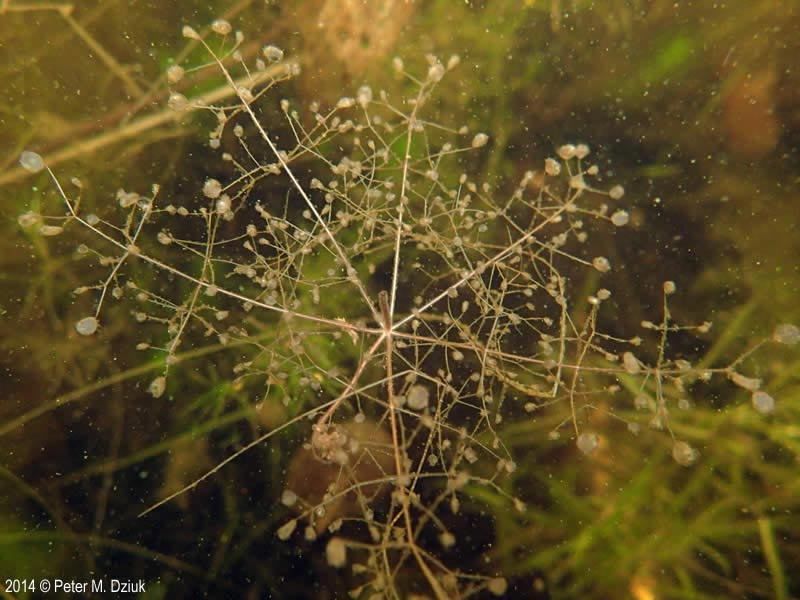
Botanical Name: Utricularia purpurea
Common Name: Eastern purple Bladderwort
Habitat: quiet water
Flowers: 7/6-9/6
State Status: U
Counties found in: KE, PR, WA
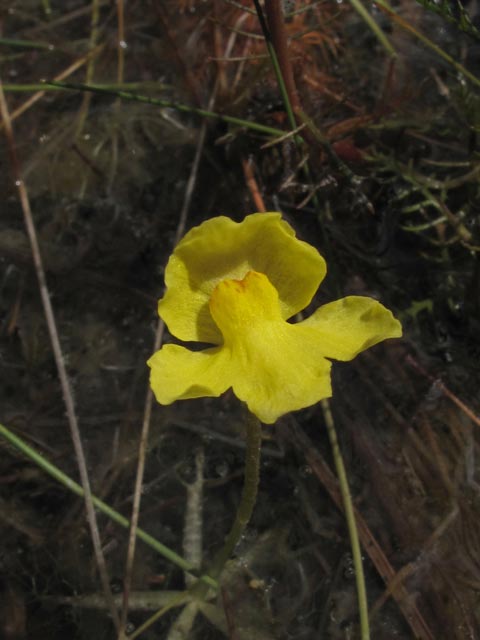
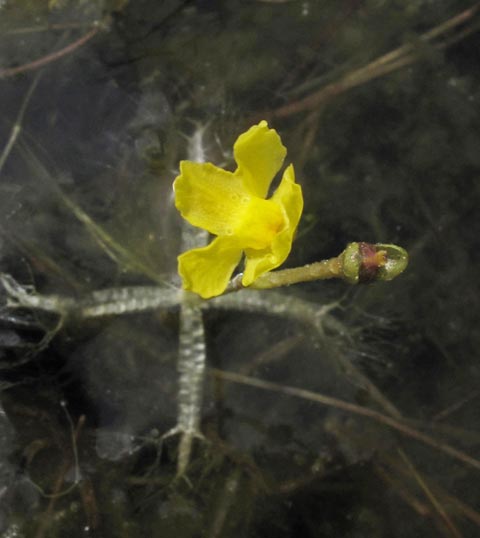
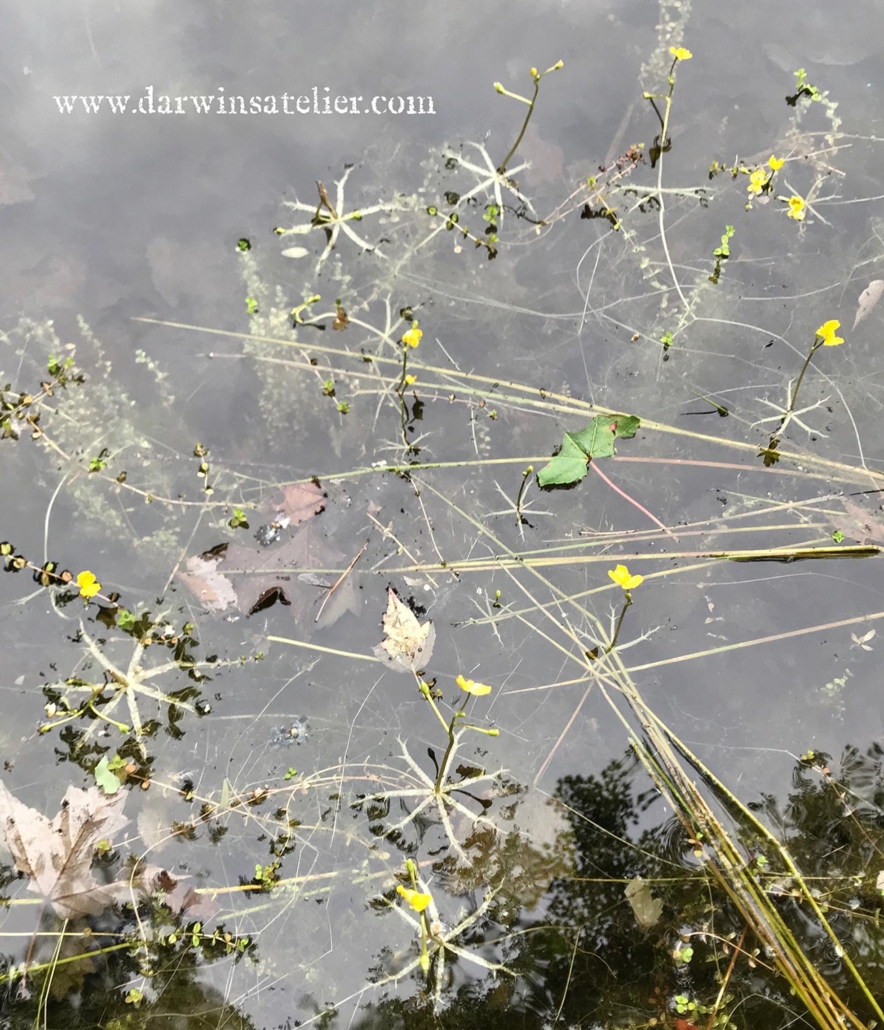
Botanical Name: Utricularia radiata
Common Name: Floating Bladderwort
Habitat: floating on surfaces of ponds
Flowers: 7/4-10/12
State Status: U
Counties found in: KE, NE, PR, WA
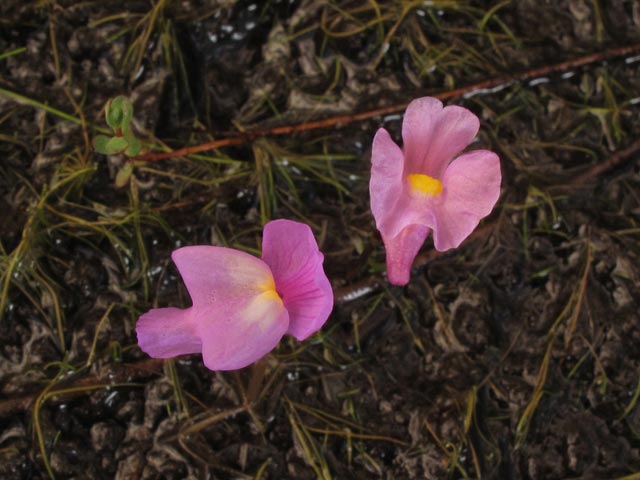
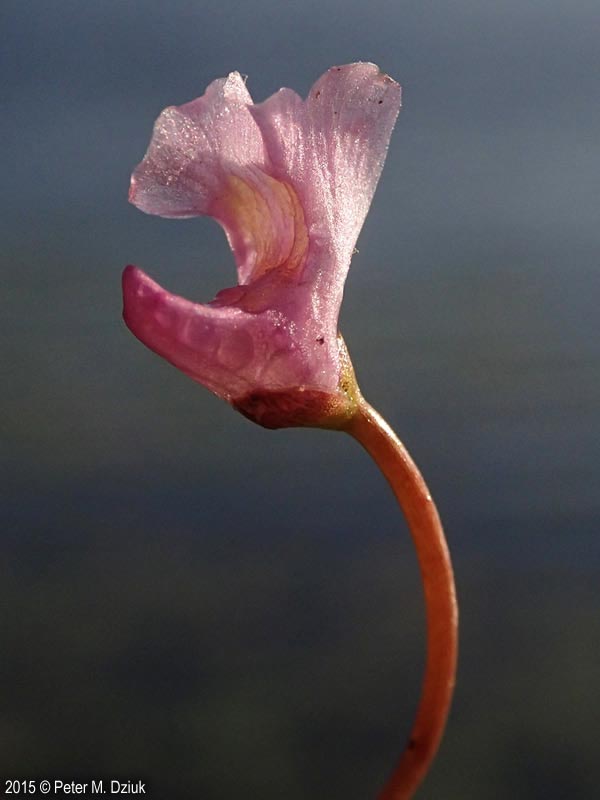
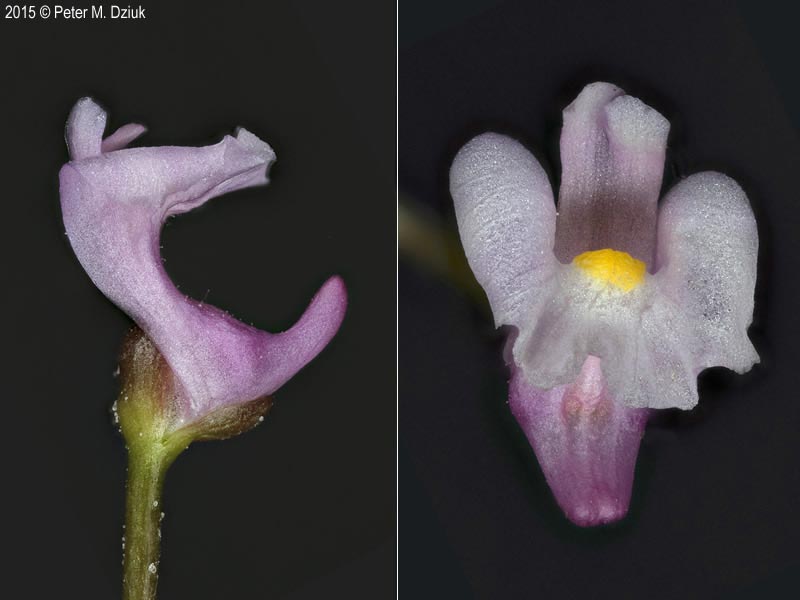
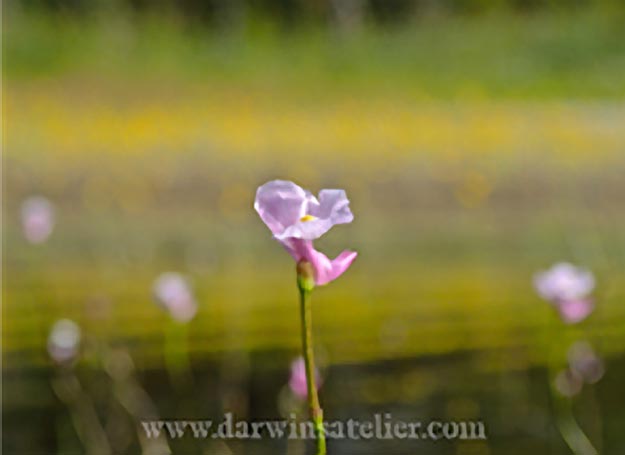
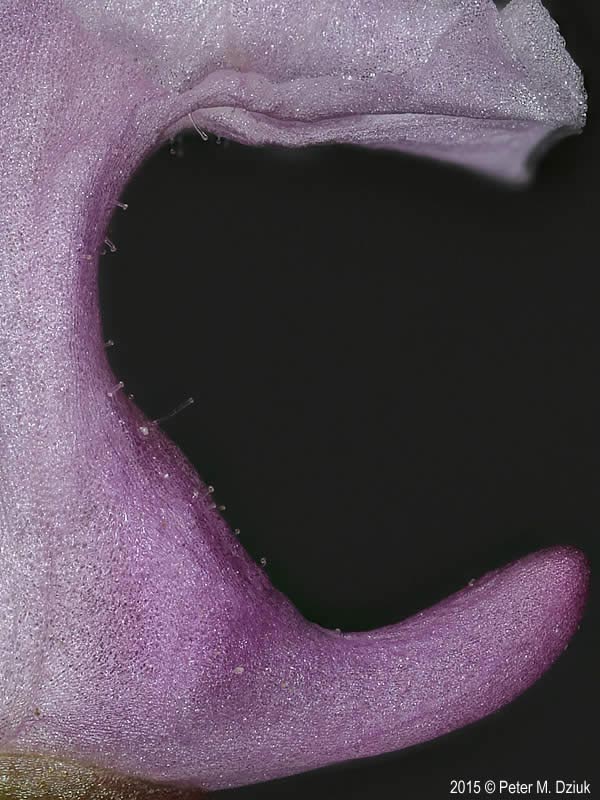
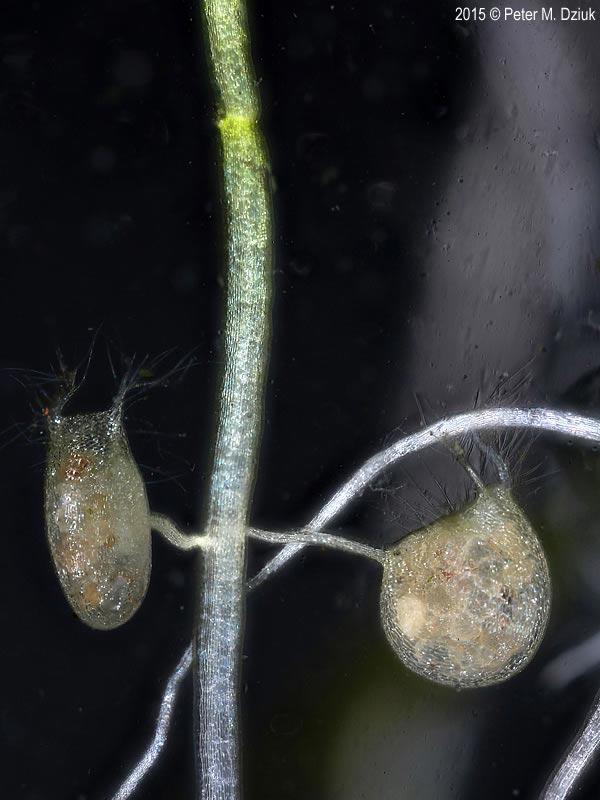
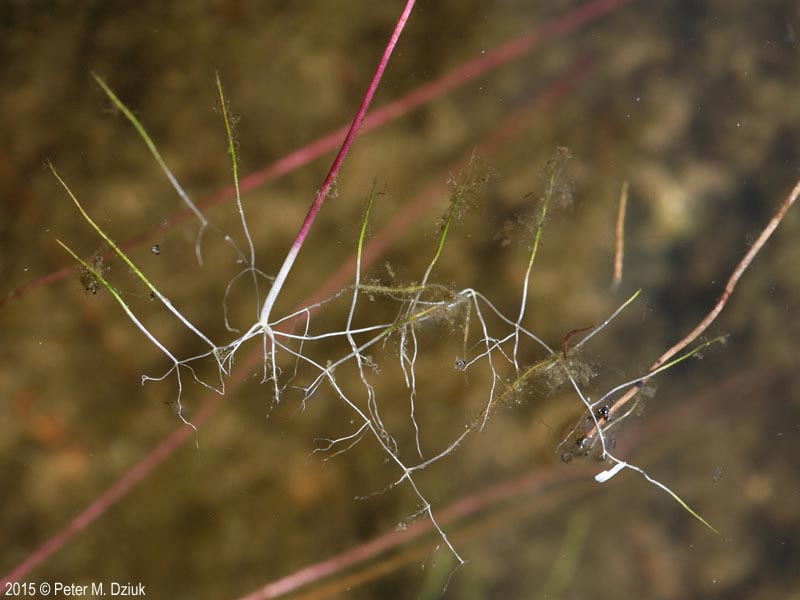
Botanical Name: Utricularia resupinata
Common Name: Resupinate Bladderwort
Habitat: muddy soil, drawn down ponds with sandy substrate
Flowers: 7/14-9/22
State Status: SC
Counties found in: KE, WA
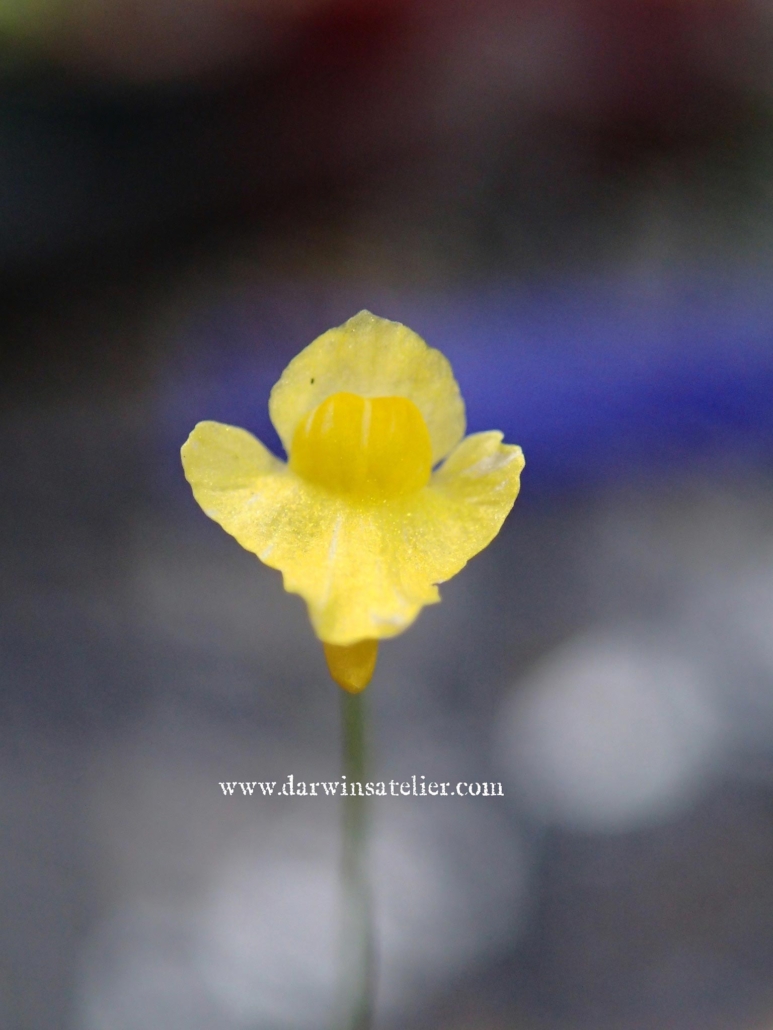
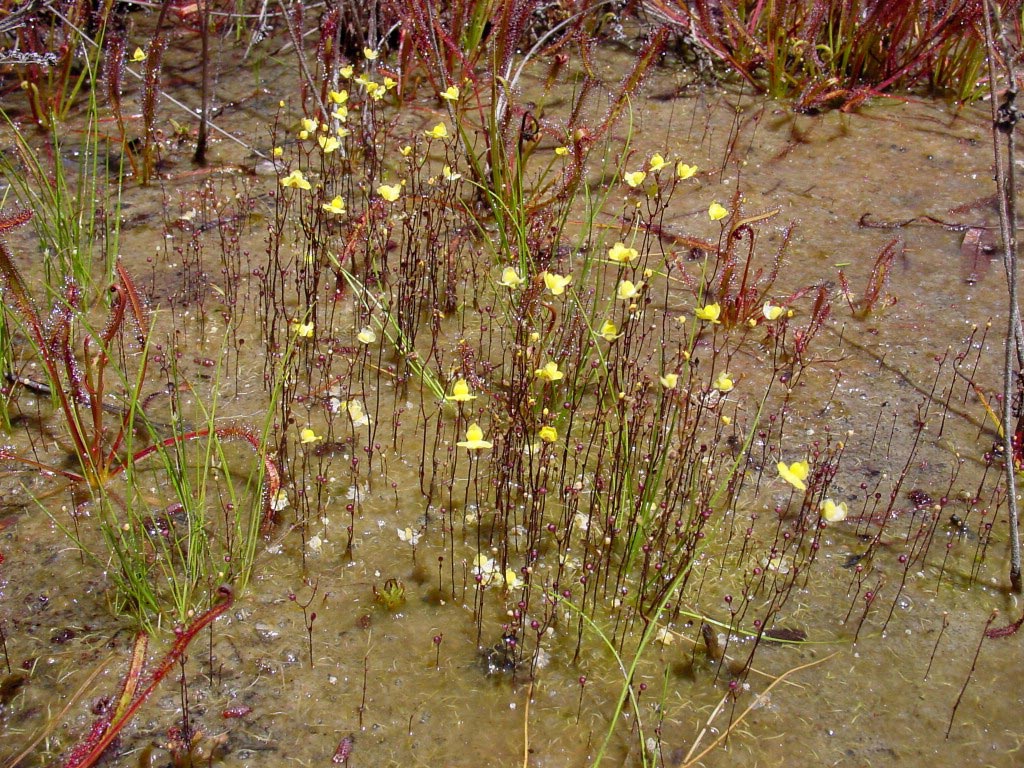
Botanical Name: Utricularia subulata
Common Name: Slender Bladderwort, Zig-zag Bladderwort
Habitat: wet soil, shallow water
Flowers: 8/30-9/15
State Status: SC
Counties found in: PR
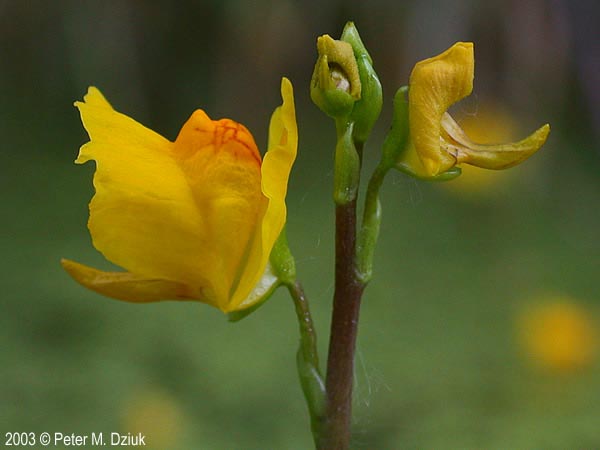
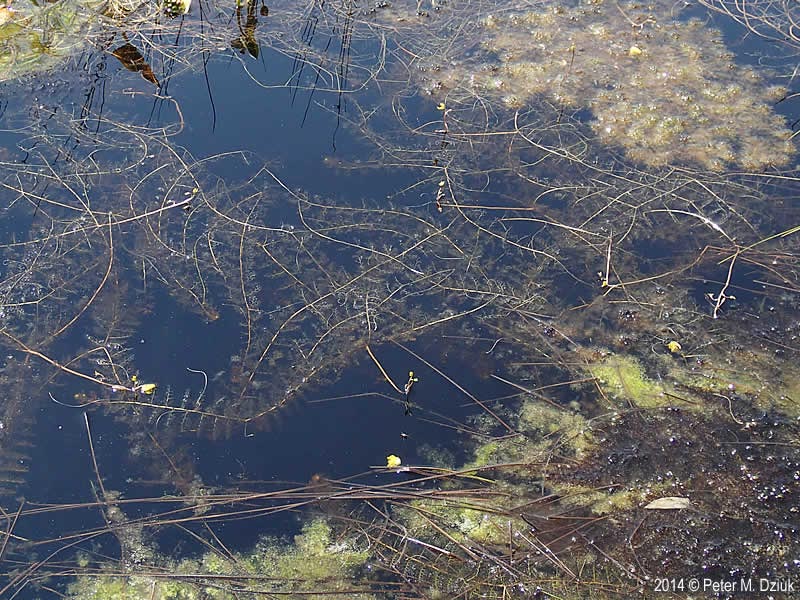
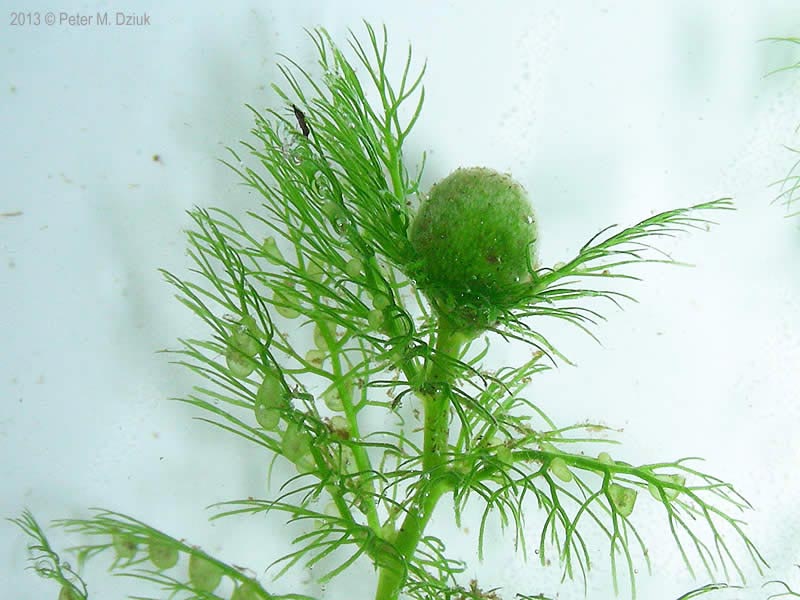
Botanical Name: Utricularia vulgaris or Utricularia macrorhiza (USDA)
Common Name: Common Bladderwort, Greater Bladderwort
Habitat: quiet water
Flowers: 7/9-9/6
State Status: F
Counties found in: KE, NE, PR, WA
* Some of the aquatic species produce turions (or “winter buds”) at the apices of branches. These consist of very short internodes with tightly compacted overlapping dissected leaves and a mucilaginous matrix. Turions are often conspicuous toward the end of the summer and in U. vulgaris, at least, have been shown to be induced by environmental change to short day lengths.
The above excerpted from Michigan Flora
https://michiganflora.net/genus.aspx?id=Utricularia