Click on the thumbnail image to view a larger photo. |
|
|
|
|
 |
Botanical Name:
|
|
|
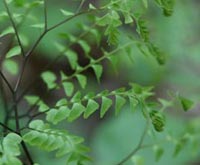
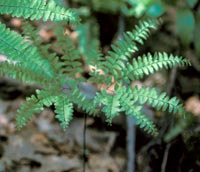
Common Name: |
|
Maidenhair Fern |
Habitat: |
|
Rich woods |
Spores can be found: |
|
July to September |
|
|
|
State Status: |
|
U |
Sites in State: |
|
— |
Counties found in: |
|
Providence,Kent, Washington |
|
|
|
|
 |
Notes from Don Lubin: |
|
Unique, delicate frond shape. Dark wiry stems were used to make baskets. |
|
|
|
|
|
|
|
|
 |
Botanical Name: |
|
|
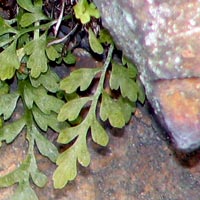
Common Name: |
|
Mountain Spleenwort |
Habitat: |
|
Non-calcareous rocks |
Spores can be found: |
|
5/25 — 8/18 |
|
|
|
State Status: |
|
SE |
Sites in State: |
|
1 |
Counties found in: |
|
Providence |
|
|
|
|
| |
Notes from Don Lubin: |
|
Small fern, rare in New England. |
|
|
|
|
|
|
|
|
 |
Botanical Name: |
|
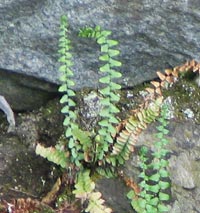
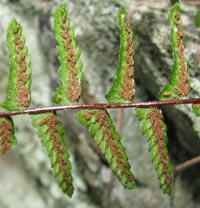
Asplenium platyneuron |
Common Name: |
|
Ebony Spleenwort |
Habitat: |
|
Thin soils of rocky slopes |
Spores can be found: |
|
7/17 — 10/29 |
|
|
|
State Status: |
|
A |
Sites in State: |
|
— |
Counties found in: |
|
All |
|
|
|
|
 |
Notes from Don Lubin: |
|
Dark stipe and rachis, pinnae eared like Christmas fern. |
|
|
|
|
|
|
|
|
 |
Botanical Name: |
|
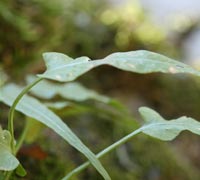
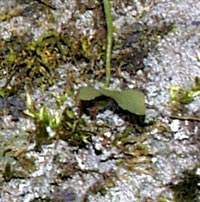
Asplenium rhizophyllum |
Common Name: |
|
Walking Fern |
Habitat: |
|
Shaded high pH rocks |
Spores can be found: |
|
5/13 — 10/1 |
|
|
|
State Status: |
|
SE |
Sites in State: |
|
1 |
Counties found in: |
|
Providence |
|
|
|
|
 |
Notes from Don Lubin: |
|
Grows flat on rock surface. New plants grow from frond tips. |
|
|
|
|
|
|
|
|
 |
Botanical Name: |
|
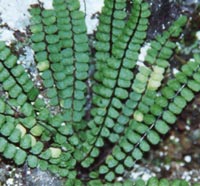
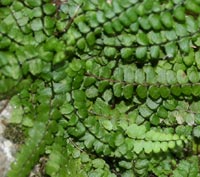
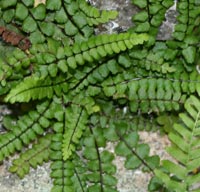
Asplenium trichomanes |
Common Name: |
|
Maidenhair Spleenwort |
Habitat: |
|
Rock crevices and shaded ledges |
Spores can be found: |
|
6/13 — 8/20 |
|
|
|
State Status: |
|
SC |
Sites in State: |
|
9 |
Counties found in: |
|
Providence; Kent;Washington |
|
|
|
|
 |
Notes from Don Lubin: |
|
Lovely little fern with dark stipe and rachis. Pinnae not eared. |
|
|
|
|
 |
|
|
|
|
|
|
|
|
|
|
|
 |
Botanical Name: |
|
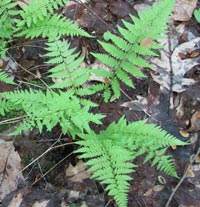
Athyrium filix-femina (L.) Roth ex Mert. |
Common Name: |
|
Lady Fern |
Habitat: |
|
Moist to wet woodlands |
Spores can be found: |
|
7/14 — 9/8 |
|
|
|
State Status: |
|
C |
Sites in State: |
|
— |
Counties found in: |
|
All |
|
|
|
|
 |
Notes from Don Lubin: |
|
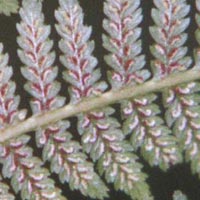
Propagates readily by spores, grows unbidden in lawns. Curved sori form herringbone pattern. |
|
|
|
|
|
|
|
|
 |
Botanical Name: |
|
|
Common Name: |
|
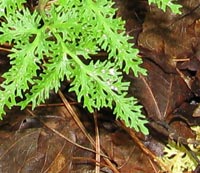
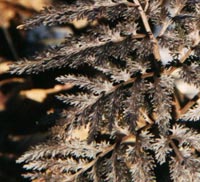
Cut-leaf Grape Fern |
Habitat: |
|
Dry to moist woodlands |
Spores can be found: |
|
7/23 — 9/25 (10/2) |
|
|
|
State Status: |
|
O |
Sites in State: |
|
— |
Counties found in: |
|
All |
|
|
|
|
 |
Notes from Don Lubin: |
|
Degree of cutting highly variable. Emerges midsummer, changes from green to bronze in late autumn. |
|
|
|
|
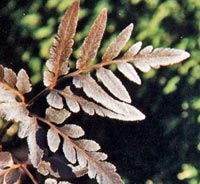 |
Upper photos:
Botrychium dissectum f. dissectum
Lower photo:
Botrychium dissectum f. obliquum |
|
|
|
|
|
|
|
|
 |
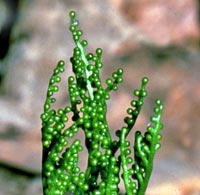
Botanical Name: |
|
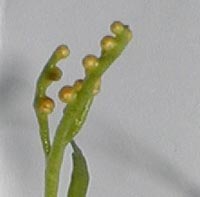
Botrychium lanceolatum |
Common Name: |
|
Narrow Triangle Grape Fern |
Habitat: |
|
Mesic woodlands |
Spores can be found: |
|
(6/14) 6/24 — 8/31 (9/17) |
|
|
|
State Status: |
|
SC |
Sites in State: |
|
2 |
Counties found in: |
|
Providence; Kent, Washington |
|
|
|
|
|
Notes from Don Lubin: |
|
Wide tropophore projects at right angle, sporophore branched. |
|
|
|
|
|
|
|
|
 |
Botanical Name: |
|
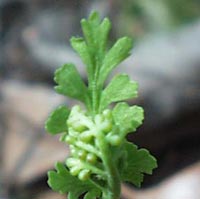
Botrychium matricarifolium |
Common Name: |
|
Daisyleaf Grape Fern |
Habitat: |
|
Deciduous woodlands and rarely open areas |
Spores can be found: |
|
(6/13) 6/24 — 8/20 |
|
|
|
State Status: |
|
SC |
Sites in State: |
|
4 |
Counties found in: |
|
Providence; Kent, Washington |
|
|
|
|
| |
Notes from Don Lubin: |
|
Narrow tropophore projects at acute angle, sporophore unbranched. |
|
|
|
|
|
|
|
|
 |
Botanical Name: |
|
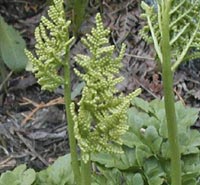
Botrychium multifidum |
Common Name: |
|
Leathery Grape Fern |
Habitat: |
|
Fields or openings in woodlands |
Spores can be found: |
|
7/21 — 9/23 |
|
|
|
State Status: |
|
R
Reported found but
no sites listed |
Sites in State: |
|
? |
Counties found in: |
|
? |
|
|
|
|
| |
Notes from Don Lubin: |
|
Stipe particularly stout, pinnules overlap, smaller towards frond tips. |
|
|
|
|
|
|
|
|
 |
Botanical Name: |
|
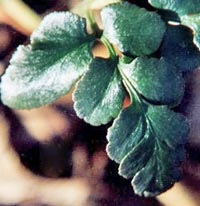
Botrychium oneidense |
Common Name: |
|
Blunt-lobed Grape Fern |
Habitat: |
|
Moist to wet woodlands and swamps |
Spores can be found: |
|
7/23 — 9/25 (10/2) |
|
|
|
State Status: |
|
SH |
Sites in State: |
|
0 (1899) |
Counties found in: |
|
Providence |
|
|
|
|
| |
Notes from Don Lubin: |
|
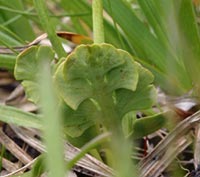
Pinnules rounder than B. dissectum. Does not turn bronze in autumn. |
|
|
|
|
|
|
|
|
 |
Botanical Name: |
|
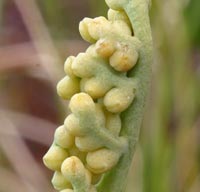
Botrychium simplex |
Common Name: |
|
Least Moonwort |
Habitat: |
|
Moist fields and woodlands |
Spores can be found: |
|
6/26 — 8/8 |
|
|
|
State Status: |
|
R |
Sites in State: |
|
— |
Counties found in: |
|
Providence,Kent, Washington |
|
|
|
|
 |
Notes from Don Lubin: |
|
[a moonwort, not a grape fern] |
|
|
|
|
|
|
|
|
 |
Botanical Name: |
|
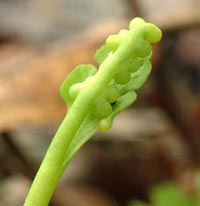
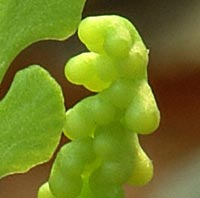
Botrychium tenebrosum |
Common Name: |
|
Shade-loving Moonwort
|
Habitat: |
|
Shaded woodlands |
Spores can be found: |
|
6/26 — 8/8 |
|
|
|
State Status: |
|
R |
Sites in State: |
|
1 |
Counties found in: |
|
Kent (?) |
|
|
|
|
 |
|
|
|
|
|
|
|
|
|
|
|
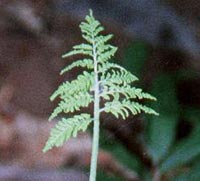 |
Botanical Name: |
|
Botrychium virginianum |
Common Name: |
|
Rattlesnake Fern |
Habitat: |
|
Rich woodlands |
Spores can be found: |
|
6/13 — 8/14 |
|
|
|
State Status: |
|
O |
Sites in State: |
|
— |
Counties found in: |
|
Providence, Kent, Washington |
|
|
|
|
| |
Notes from Don Lubin: |
|
Largest, most 'fernlike' of the Botrychium, with horizontal three-part frond like Bracken. Spore stalk rises from center of frond. |
|
|
|
|
|
|
|
|
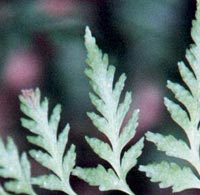 |
Botanical Name: |
|
|
Common Name: |
|
Southern Bladder Fern |
Habitat: |
|
On rich soil of woodlands |
Spores can be found: |
|
6/24 — 9/9 |
|
|
|
State Status: |
|
Possibly in RI |
Sites in State: |
|
— |
Counties found in: |
|
|
|
|
|
|
| |
Notes from Don Lubin: |
|
Generally grows in soil rather than from rock crevices. |
|
|
|
|
|
|
|
|
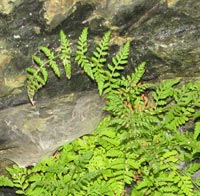 |
Botanical Name: |
|
Cystopteris tenuis |
Common Name: |
|
Fragile Fern |
Habitat: |
|
On rocks and sometimes on shaded walls with mortar |
Spores can be found: |
|
6/24 — 9/9 |
|
|
|
State Status: |
|
O |
Sites in State: |
|
— |
Counties found in: |
|
Providence, Kent, Washington, Newport |
|
|
|
|
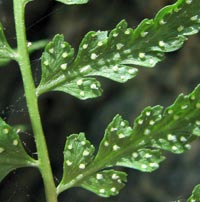 |
Notes from Don Lubin: |
|
Delicate 'airy' blade. Grows only occasionally in soil, more often on rocks. |
|
|
|
|
|
|
|
|
 |
Botanical Name: |
|
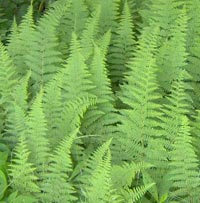
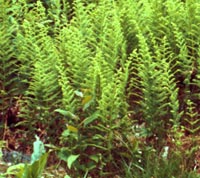
Dennstaedtia punctilobula |
Common Name: |
|
Hay-scented Fern |
Habitat: |
|
Ubiquitous in fields, rocks and woodlands |
Spores can be found: |
|
7/1 — 9/15 |
|
|
|
State Status: |
|
C |
Sites in State: |
|
— |
Counties found in: |
|
All |
|
|
|
|
 |
Notes from Don Lubin: |
|
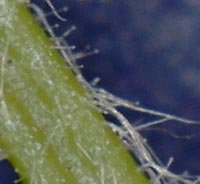
Fronds emerge singly, not in clusters. Note fine white hairs on stipe. Pinnule edges rounded, with no teeth. |
|
|
|
|
 |
|
|
|
|
|
|
|
|
|
|
|
 Because of its length, this article has been broken into three web pages. To return to this page from other Fern pages, click on this button at the bottom of the other pages.